

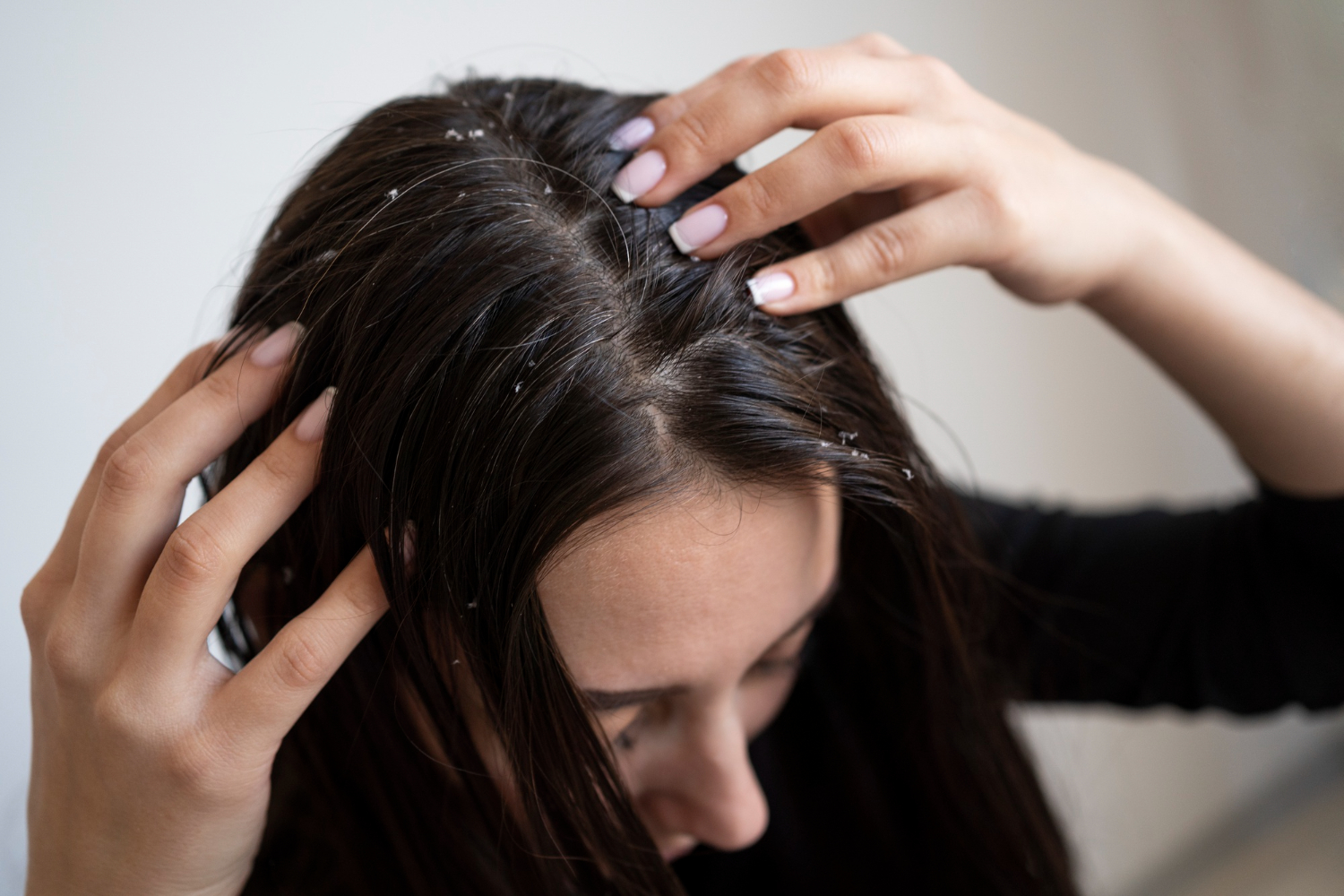
Dandruff is a common scalp condition that affects both appearance and comfort. It usually appears as white or yellow flakes on the scalp and hair, often accompanied by itching, tightness or sensitivity. While dandruff is sometimes associated only with dryness, it can also occur on oily scalps and is often linked to an imbalance in the scalp’s natural ecosystem. Preventing dandruff requires consistent care, correct cleansing habits and products that support scalp health rather than disrupt it.
The Main Causes of Dandruff
Dandruff develops when the scalp’s renewal cycle accelerates or becomes irregular. Factors such as excessive oil production, dryness, sensitivity, fungal imbalance, stress and seasonal changes can all contribute to this condition. When the scalp barrier weakens, dead skin cells shed more visibly instead of remaining microscopic, leading to flaking.
External habits often worsen the issue. Harsh products, improper washing techniques and frequent heat exposure create irritation that disrupts the scalp’s balance. Internal factors such as stress, fatigue and poor nutrition also influence how the scalp reacts over time.
Maintaining a Balanced Scalp Environment
A healthy scalp is neither overly dry nor excessively oily. Balance allows the skin to renew itself at a steady pace without visible flaking. Gentle cleansing, proper hydration and minimal irritation are key to maintaining this balance.
Regular but controlled washing helps remove buildup without stripping the scalp. Avoiding aggressive scratching and heavy product layering also reduces sensitivity. When the scalp feels comfortable rather than tight or itchy, dandruff formation becomes easier to control.
How a Dandruff Focused Washing Routine Should Look
A dandruff focused routine should follow clear, repeatable steps that calm the scalp while removing buildup effectively.
Step 1: Prepare the Scalp Before Washing
Before entering the shower, gently brush the hair to loosen flakes and surface residue. This helps shampoo reach the scalp more evenly and prevents flakes from clumping together during washing.
Step 2: Use Lukewarm Water to Wet the Scalp Thoroughly
Proper saturation is essential. Lukewarm water helps soften flakes and opens the scalp surface just enough for cleansing without causing irritation. Hot water should be avoided as it increases dryness and sensitivity.
Step 3: Apply Shampoo Directly to the Scalp
Shampoo should be applied primarily to the scalp, not the lengths. Massage gently with fingertips using slow, circular motions. This helps lift flakes and excess oil without scratching or damaging the skin.
Step 4: Allow the Shampoo to Sit Briefly
For dandruff focused shampoos, allowing the product to sit on the scalp for a short time helps active ingredients work more effectively. This step supports deeper cleansing and scalp comfort.
Step 5: Rinse Carefully and Completely
Rinsing should be thorough, especially around the hairline, nape and behind the ears. Any leftover residue may cause irritation and contribute to recurring flakes.
Step 6: Condition Only the Lengths
Conditioner should be applied from mid lengths to ends, avoiding the scalp entirely. This keeps hair soft without creating buildup that may worsen dandruff.
Step 7: Dry the Scalp Gently
After washing, gently blot excess water and dry the scalp area properly. Leaving the scalp damp for long periods may encourage imbalance and discomfort.
What to Consider When Choosing a Shampoo
Shampoo choice plays a critical role in dandruff control. The wrong product may temporarily mask flakes while worsening the underlying issue over time. A thoughtful selection supports long term scalp stability.
Key points to consider include:
- Choosing formulas designed specifically for dandruff or sensitive scalps
- Avoiding overly harsh cleansers that strip natural oils
- Looking for ingredients that support scalp balance and comfort
- Avoiding heavy fragrances if the scalp is sensitive
- Using consistent products rather than frequently switching shampoos
A shampoo should cleanse effectively while leaving the scalp calm and refreshed, not tight or irritated.

Common Mistakes That Increase Dandruff Formation
Even with the right products and good intentions, dandruff can persist when certain habits quietly undermine scalp balance. Many of these mistakes are part of everyday routines and often go unnoticed, yet they gradually irritate the scalp, weaken its protective barrier and disrupt the natural renewal cycle. Identifying and correcting these patterns is an essential step toward long term dandruff control and improved scalp comfort.
Washing With Very Hot Water
Hot water feels soothing at first, but it significantly dries out the scalp surface and strips away natural oils that protect the skin. This sudden moisture loss weakens the scalp barrier and triggers faster skin shedding as the scalp attempts to recover. Over time, repeated exposure to hot water increases sensitivity and makes flakes more visible and persistent, especially during colder months.
Scratching or Aggressive Massaging
Scratching the scalp or massaging with excessive pressure damages the skin’s surface and creates micro irritation. Using nails rather than fingertips increases the risk of inflammation and small abrasions, which can worsen itching and flaking. This behavior often turns into a cycle where irritation causes more itching, leading to further damage and increased dandruff.
Overwashing the Hair
Washing too frequently removes the scalp’s natural oils before they can perform their protective function. In response, the scalp may accelerate oil production or skin cell turnover, both of which contribute to visible flakes. Over time, overwashing prevents the scalp from stabilizing and makes dandruff harder to manage despite regular cleansing.
Infrequent Washing
On the opposite end, washing too rarely allows oil, sweat and dead skin cells to accumulate on the scalp. This buildup creates an environment where flakes cling more easily to the hair and scalp surface. Infrequent washing also reduces the effectiveness of dandruff targeted products, as active ingredients struggle to penetrate through layers of residue.
Applying Conditioner or Oils to the Scalp
Conditioners, oils and heavy treatments are designed for hair lengths rather than the scalp. When applied directly to the scalp, these products cause buildup, block follicles and disturb the skin’s natural balance. This leads to heaviness, irritation and an increased likelihood of dandruff returning more quickly after washing.
Ignoring Seasonal Changes
Scalp needs shift with seasonal conditions, especially during colder months when dry air and indoor heating reduce moisture levels. Using the same routine year round often leaves the scalp under supported during these periods. Without adjustments in washing frequency, hydration and product choice, dandruff flare ups become more common and harder to control.
The Role of Lifestyle and Nutrition
Scalp health reflects overall well being. Stress, poor sleep and nutritional imbalance may trigger or worsen dandruff episodes. Adequate hydration and balanced meals support healthy skin renewal. When dandruff persists despite consistent care or is accompanied by redness and discomfort, professional evaluation may be necessary to identify underlying scalp conditions.
Preventing dandruff is not about harsh treatment but about consistency and balance. When the scalp is treated with care and supported through the right routine, flakes become easier to manage and long term comfort improves significantly.