

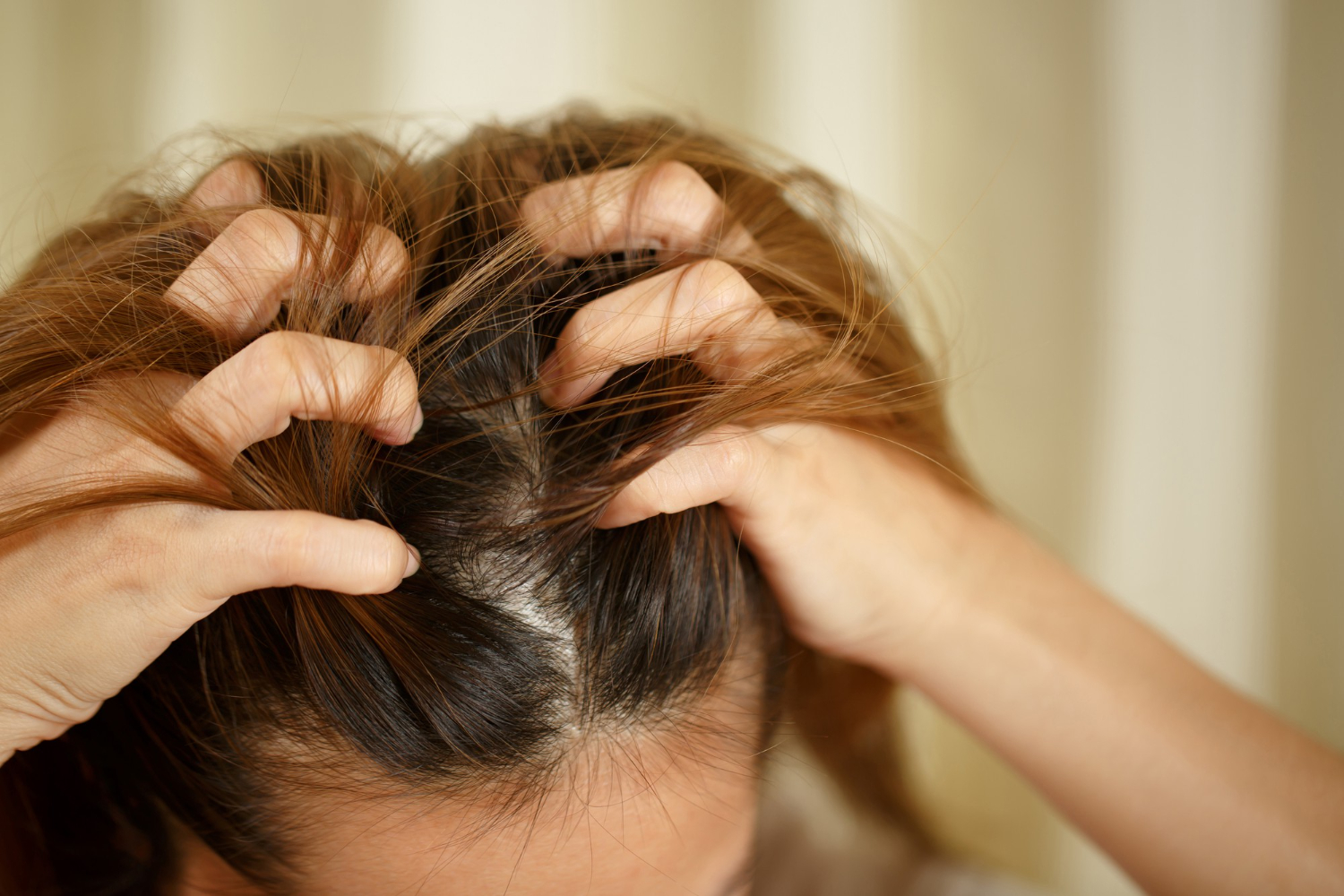
Scalp itching becomes noticeably more common during winter, even among people who do not usually experience scalp sensitivity. Cold outdoor air, dry indoor heating and changes in daily routines place extra stress on the scalp’s natural protective barrier. When this balance is disrupted, the scalp often reacts with tightness, itching and discomfort. Understanding why this happens and how to respond correctly helps reduce irritation and maintain scalp comfort throughout the colder season.
Why the Scalp Becomes More Sensitive in Winter
During winter, humidity levels drop both outdoors and indoors. This dry environment reduces moisture in the scalp, weakening its protective barrier. At the same time, cold temperatures slow down natural oil distribution, leaving the scalp less protected against external irritation. The result is a scalp that feels tight, itchy and more reactive than usual.
Winter habits also play a role. Hot showers, frequent hat use and increased use of indoor heating all contribute to dryness and reduced air circulation around the scalp. Over time, these factors create an environment where itching becomes persistent rather than occasional.
The Impact of Dry Air and Indoor Heating
Indoor heating systems significantly reduce air moisture, which directly affects skin and scalp hydration. Prolonged exposure to dry air accelerates moisture loss from the scalp surface, making it prone to flaking and irritation. This dryness often leads to itching without visible dandruff, which can be confusing and frustrating.
Because the scalp is covered by hair, early signs of dryness are easy to overlook. By the time itching becomes noticeable, the scalp barrier is already compromised. Supporting moisture levels becomes especially important during this period.
How Winter Washing Habits Affect Scalp Itching
Washing habits tend to shift during the winter months, often in ways that unintentionally increase scalp discomfort. Hot showers may feel relaxing in cold weather, but high water temperatures remove essential oils that protect the scalp’s surface. This sudden loss of moisture weakens the scalp barrier and makes the skin more prone to tightness, sensitivity and persistent itching. Overwashing further intensifies this effect by preventing the scalp from restoring its natural balance between washes.
Washing too infrequently can also contribute to itching, as sweat, dead skin cells and product residue accumulate more easily under hats and in dry indoor environments. A balanced and season appropriate routine helps protect scalp comfort during winter:
- Use lukewarm water instead of hot to preserve natural oils
- Wash consistently rather than excessively to support scalp balance
- Focus shampoo on the scalp rather than the lengths
- Massage gently using fingertips instead of nails
- Rinse thoroughly, especially around the hairline and nape
- Avoid prolonged exposure to hot water during showers
- Limit the use of harsh or heavily fragranced shampoos
Product Choices That May Trigger Irritation
Winter itching is often linked to products that are too harsh or not suited to seasonal needs. Shampoos with strong cleansing agents remove protective oils more quickly in cold weather. Fragrances and alcohol based formulas may also increase sensitivity on an already dry scalp.
Switching to milder, scalp focused formulas during winter helps reduce irritation. Products designed to support scalp comfort and hydration allow the skin to recover and stabilize over time.
The Role of Hats and Cold Weather Accessories
Hats protect against cold temperatures, but prolonged wear can trap heat and sweat against the scalp. Limited airflow combined with friction from fabrics may lead to irritation and itching, especially if hats are worn indoors for long periods.
Choosing breathable materials and allowing the scalp to air out whenever possible helps minimize discomfort. Regularly cleaning hats also prevents residue and bacteria buildup that can worsen itching.
Lifestyle Factors That Influence Winter Scalp Comfort
Internal factors become more noticeable in winter. Reduced water intake, seasonal stress and lack of fresh air all affect skin hydration and sensitivity. When the body is dehydrated, the scalp often reflects this imbalance first.
Supporting scalp comfort from within involves:
- Staying consistently hydrated
- Maintaining balanced nutrition
- Managing stress levels during seasonal changes
When Itching Should Not Be Ignored
Occasional itching is common during winter, but persistent or intense discomfort may indicate an underlying scalp condition such as dermatitis or chronic dryness. Redness, burning sensation or thick flakes should not be dismissed as simple seasonal irritation.
If itching continues despite routine adjustments and gentle care, professional evaluation helps identify the cause and determine appropriate treatment options.