

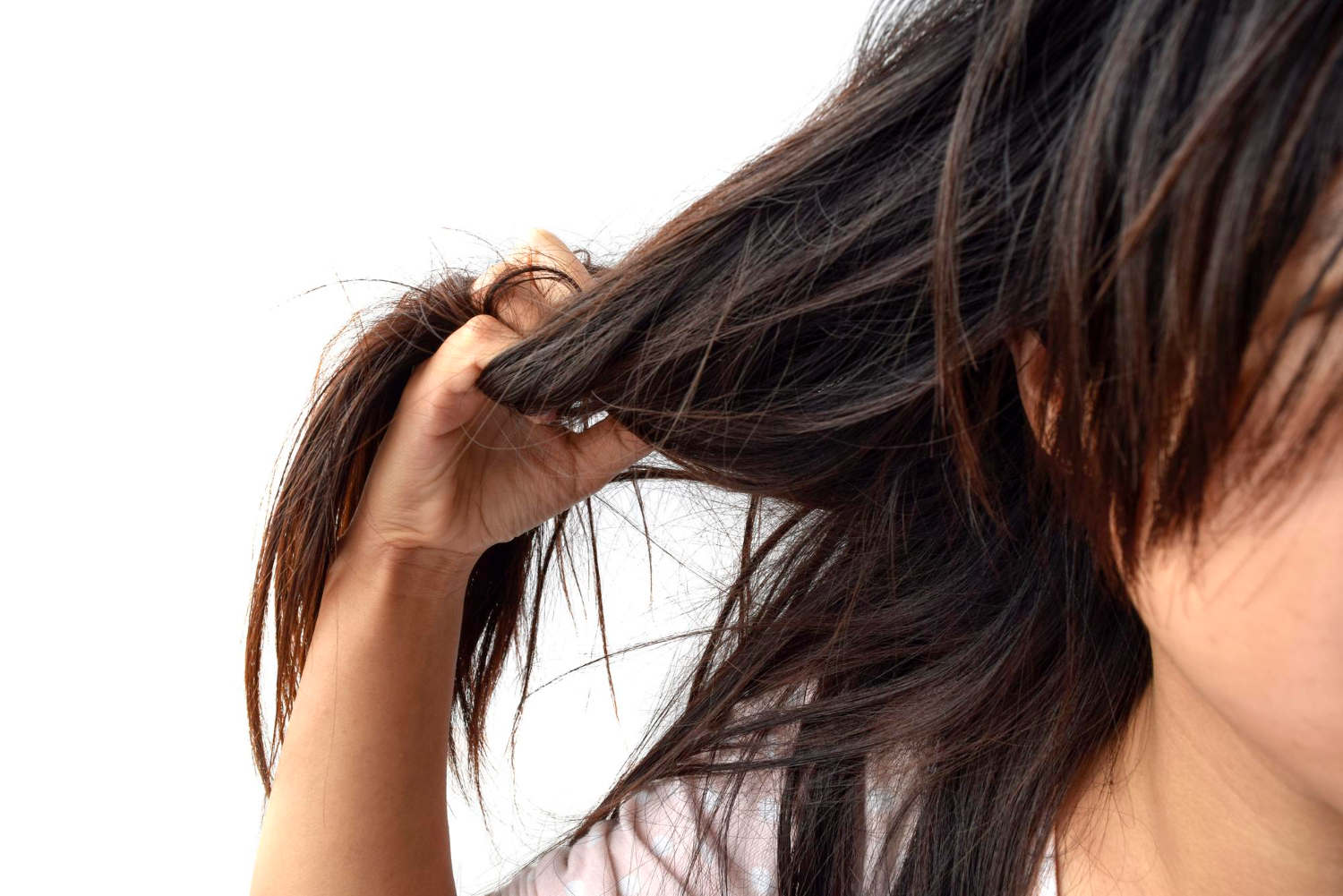
Oily hair is often misunderstood as a problem caused by “too much oil” alone, but the real issue is usually an imbalance in the scalp environment. When the scalp produces excess sebum, hair can look flat, feel heavy and lose freshness quickly, sometimes within hours after washing. This does not automatically mean the hair is dirty, it usually means the scalp is working overtime due to genetics, climate, product habits, styling routines or irritation. A well planned routine focuses on calming the scalp, controlling buildup and keeping lengths light without stripping the hair into dryness.
The Core Causes Behind Oily Hair
Sebum is a natural protective oil produced by the scalp to keep skin and hair comfortable. In oily hair types, sebum production tends to be higher or spreads faster through the hair shaft, especially if the hair is fine. In many cases, the scalp becomes oily because it is reacting to triggers such as harsh cleansing, frequent scratching, heavy products or heat exposure. Humidity, seasonal changes and pollution also contribute by increasing sweat and residue on the scalp, which makes hair feel greasy sooner.
There is also a pattern where the scalp feels oily while the lengths feel dry. This happens when shampooing is aggressive and conditioning is inconsistent or misapplied. In this scenario, the scalp tries to compensate for dryness by producing more oil, while the ends remain fragile. A balanced approach focuses on gentle cleansing, careful product placement and consistent scalp comfort.
A Washing Routine That Works for Oily Hair
A good washing routine for oily hair is structured, controlled and repeatable. The goal is to clean the scalp thoroughly without overstimulating it, while keeping the lengths protected and light.
Step 1: Brush and Loosen Buildup Before the Shower
Gently brush through the hair to remove loose strands and surface dust. This small step reduces tangling during washing and helps water and shampoo spread more evenly. If styling products were used, brushing also helps break up surface residue before cleansing.
Step 2: Fully Saturate the Scalp With Lukewarm Water
Spend extra time wetting the scalp, not just the lengths. When hair is thoroughly saturated, shampoo spreads better and you need less product. Lukewarm water supports effective cleansing without triggering dryness or irritation that may lead to rebound oiliness.
Step 3: Apply Shampoo to the Scalp Only
Use a small amount and target the scalp. Massage using fingertips with gentle circular motions. The focus remains on areas that collect oil faster, including the hairline, crown and the back of the head. Avoid aggressively scrubbing the lengths because that increases friction and dryness.
Step 4: Rinse Longer Than You Think You Need
Incomplete rinsing is one of the biggest reasons oily hair feels heavy right after washing. Rinse thoroughly at the hairline, behind the ears and at the nape. A clean scalp should feel fresh and comfortable, not coated.
Step 5: Consider a Second Cleanse When Needed
If hair is very oily, if dry shampoo was used, or if there is visible product buildup, a second cleanse may be helpful. The first cleanse loosens oil and residue, the second cleanse finishes the job. This step is not necessary every wash, but it can improve freshness and volume when the scalp feels overloaded.
Step 6: Condition Correctly to Avoid Greasy Roots
Conditioner belongs on mid lengths and ends. Use a lightweight formula and keep it away from the scalp. Apply, let it sit briefly, then rinse fully. Proper conditioning helps prevent dry ends, which reduces overhandling and reduces the temptation to apply heavy leave in products near the roots.
Step 7: Dry the Roots Properly
Letting the roots stay damp for too long can make hair feel flatter and may increase scalp discomfort. Gently blot with a soft towel, then dry the root area first. Low heat and controlled airflow work well. If using heat tools, apply a heat protectant and avoid pressing high heat directly onto the scalp area.

Common Mistakes When Caring for Oily Hair
Oily hair can push people into extreme routines, either overcleansing or overloading the hair with products to “fix” the shine. Many of the biggest problems come from habits that feel helpful in the moment but gradually trigger more oil, more buildup and less volume. Correcting these patterns usually makes a noticeable difference within a few weeks.
- Washing too aggressively and using nails on the scalp, which irritates the skin and may increase oil production
- Using very hot water, which dries the scalp surface and encourages rebound oiliness
- Applying conditioner to the scalp, which creates buildup and makes roots look greasy faster
- Choosing heavy shampoos and “ultra moisturizing” formulas that weigh down fine oily hair
- Not rinsing thoroughly, especially around the hairline, nape and behind the ears
- Overusing dry shampoo and not cleansing it out properly, which leads to scalp congestion
- Touching the hair frequently throughout the day, which transfers oil and flattens the roots
- Using too many styling products near the scalp, including oils and thick creams that sit on the surface
Conditioner and Styling Products Used the Right Way
Oily hair does not mean conditioner should be skipped. Conditioner supports softness and reduces breakage, especially at the ends. The key is placement and formula choice. Lightweight conditioners and detangling products help keep hair manageable without collapsing volume. When styling, root heavy products should be avoided unless they are specifically designed for oily scalps.
For daily styling, a minimal approach tends to work best. A light heat protectant spray, a small amount of smoothing product on the ends and careful drying technique often provide better results than layering multiple products. When oils are used, they should stay strictly on the ends and in very small quantities.
Daily Habits That Trigger Oiliness
Small daily habits can strongly influence oil buildup. Frequent touching, brushing too often, constantly adjusting bangs and overcombing the roots can spread sebum down the hair shaft. Pillowcases, hats and hair accessories also contribute when they collect residue over time. Keeping brushes clean and washing pillowcases regularly supports a fresher scalp environment.
Another factor is how hair is tied. Tight hairstyles can trap heat and sweat at the scalp, which makes hair feel oily sooner. Looser styles and breathable accessories help reduce that effect, especially in humid conditions or during active days.
Nutrition and Hormonal Balance
Scalp oil production is affected by internal factors such as hormones, stress and general nutrition. Periods of hormonal fluctuation may lead to sudden oiliness even if the routine has not changed. High stress levels can also influence the scalp environment and create sensitivity, which often increases the feeling of heaviness.
A balanced diet supports the scalp’s ability to regulate itself. Consistent hydration, adequate protein intake and nutrient rich meals contribute to stronger hair quality. When oiliness suddenly changes dramatically or comes with itching, redness or significant shedding, a professional evaluation may be helpful to rule out scalp conditions that require targeted care.