
Split ends are one of the most common hair concerns and often the first visible sign of weakened hair structure. When the protective outer layer of the hair fiber becomes damaged, the inner layers are exposed and begin to separate. This process leads to fraying, rough texture and a dull appearance. Understanding the underlying causes of split ends helps prevent further damage and supports healthier, stronger looking hair over time.
Heat Styling Habits
Frequent use of heat styling tools such as flat irons, curling wands and blow dryers places significant stress on the hair shaft. High temperatures strip away natural moisture and weaken the cuticle layer, making hair more vulnerable to splitting. Repeated heat exposure causes the ends to dry out faster than the rest of the hair, leading to breakage and visible fraying. Without proper heat protection and temperature control, split ends develop more rapidly and become difficult to manage.
Loss of Moisture Balance
Hair that lacks sufficient moisture becomes brittle and fragile. Daily washing, harsh shampoos and environmental exposure gradually remove the natural oils that protect the hair fiber. When moisture levels drop, elasticity decreases and the hair loses its ability to bend without breaking. The ends, being the oldest and most exposed part of the hair, are usually affected first. Maintaining moisture balance plays a critical role in preventing split ends and preserving softness.
Effects of Chemical Treatments on Hair Fiber
Coloring, bleaching, perming and relaxing processes alter the internal structure of the hair. These treatments open the cuticle to allow chemicals to penetrate, which weakens the hair over time. Repeated chemical exposure reduces protein strength and increases porosity, making the hair more prone to splitting. Without adequate recovery time and targeted care, chemically treated hair develops split ends faster and shows signs of structural fatigue.
Incorrect Washing and Drying Practices
Aggressive washing techniques and improper drying habits contribute significantly to split ends. Rubbing hair harshly with a towel creates friction that lifts and damages the cuticle. Washing with overly hot water further dries out the hair and scalp. Detangling wet hair without care can stretch and snap weakened strands. Gentle cleansing methods and careful drying routines help preserve hair integrity and reduce mechanical damage.
Use of Inappropriate Brushes and Combs
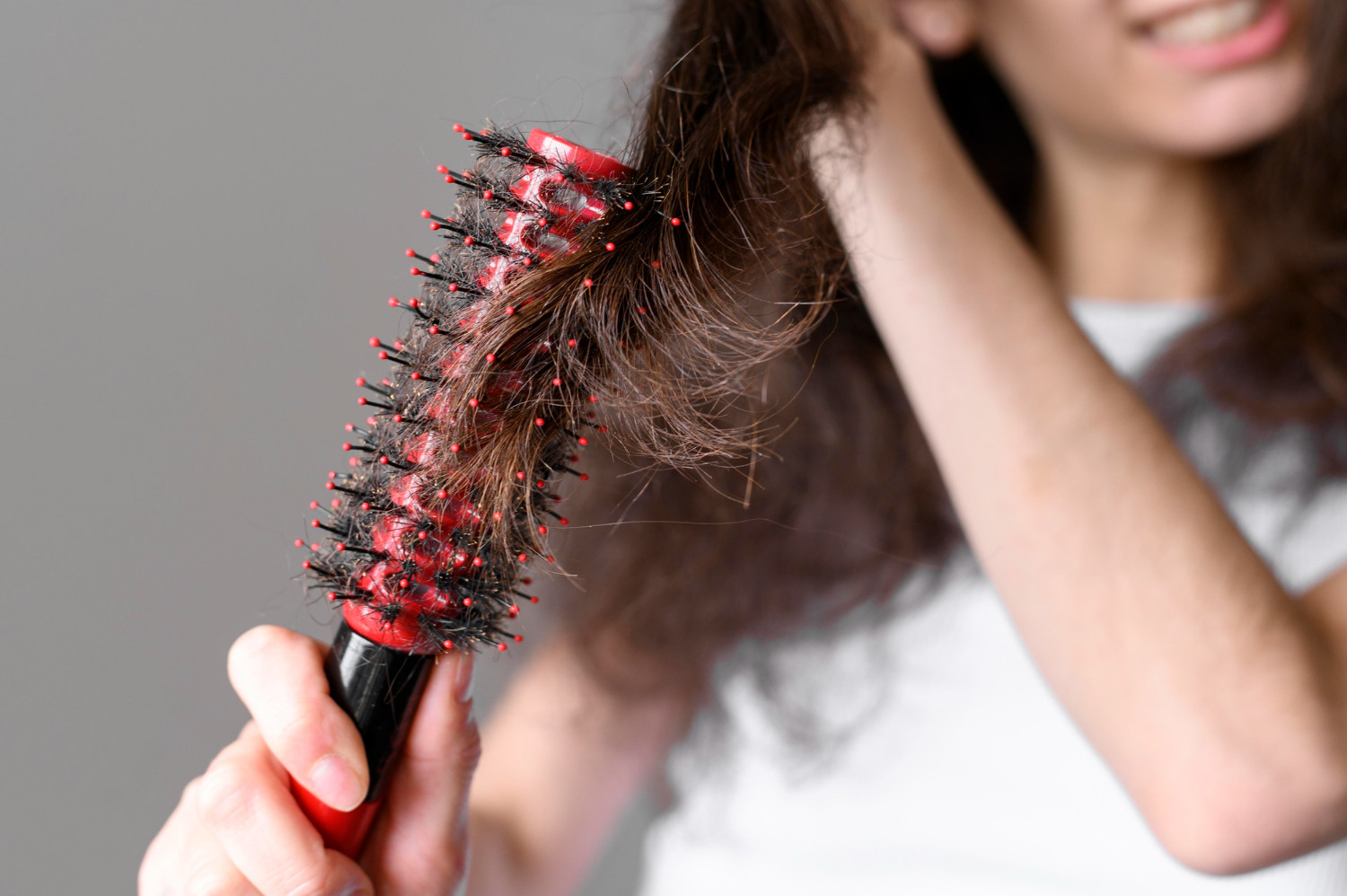
The wrong tools can cause unnecessary stress on the hair, especially at the ends. Brushes with sharp or rigid bristles can tear through knots and create micro damage along the hair shaft. Fine toothed combs used on dry or fragile hair increase the risk of splitting. Choosing tools that match hair texture and using them with patience minimizes breakage and protects the ends.
Environmental and Seasonal Factors
External conditions play a major role in hair health. Sun exposure, wind, cold air and pollution weaken the hair cuticle over time. During colder months, dry indoor heating further reduces moisture levels, while summer sun increases dehydration and oxidative damage. Seasonal changes often lead to increased split ends when hair is not properly protected against environmental stressors.
Use of Products Unsuitable for Hair Type
Using hair care products that do not match hair needs can accelerate damage. Products with high alcohol content dry out the hair, while heavy formulations may cause buildup that weakens the ends. Hair that is fine, curly, color treated or naturally dry requires specific formulations to maintain strength and flexibility. Selecting products based on hair type supports long term hair health and reduces the likelihood of split ends.
Nutrition and Overall Health Factors
Hair health reflects internal balance as much as external care. Inadequate intake of protein, vitamins and essential fatty acids weakens hair structure from within. Stress, hormonal changes and dehydration also affect hair strength and growth quality. When the body lacks key nutrients, hair becomes more fragile and prone to splitting. A balanced lifestyle supports stronger hair fibers and improves resilience against breakage.
Split ends develop through a combination of physical, chemical and environmental stress factors. By identifying these causes and adjusting daily habits, it becomes easier to maintain smoother, healthier looking hair. Consistent care, proper protection and informed product choices help reduce split ends and improve the overall appearance and strength of the hair over time.