
Choosing the right hair dye is a key step that directly affects your overall appearance and the long term condition of your hair. A poorly chosen shade or unsuitable formula can result in unwanted tones, rapid fading or visible hair damage. For this reason, hair dye selection should be approached as a balanced process where personal features, hair structure and maintenance habits are evaluated together, rather than relying solely on the color shown on the box.
Understand Your Skin Undertone
The harmony between hair color and skin undertone plays a major role in achieving a natural and balanced look. Warm undertones tend to pair well with golden blondes, honey shades, caramel browns and copper reflections. Cool undertones are complemented by ash blondes, cool browns and platinum shades that prevent redness and uneven contrast. Neutral undertones allow for greater flexibility across both warm and cool color ranges. When the undertone is correctly identified, the hair color blends more smoothly with the complexion and avoids a dull or harsh appearance.
Consider Your Eye Color
Eye color subtly enhances the impact of a chosen hair shade and helps define facial expression. Light colored eyes often stand out more with cool and ashy tones that sharpen contrast. Brown and hazel eyes are well balanced by chocolate, chestnut and warm brown shades that soften facial features. Green eyes are often highlighted by copper and auburn tones that bring depth and warmth to the overall look. Taking eye color into account helps the hair color appear more intentional and cohesive.
Evaluate Your Current Hair Color and Past Treatments
Previous color treatments have a significant influence on the final result. Hair that has been dyed before may react differently compared to natural hair, especially when lightening or changing tone families. Moving from a lighter shade to a darker one is usually more straightforward, while going from dark to light often requires professional techniques. Hair that has undergone bleaching, perming or frequent heat styling may absorb pigment unevenly. Understanding your hair history helps set realistic expectations and guides the selection process.
Choose a Dye Formula That Matches Your Hair Type
Hair thickness, texture and condition should guide the choice of hair dye formula. Fine hair tends to absorb color quickly, often resulting in more intense shades. Thicker hair may require stronger pigmentation or longer processing time. Dry or damaged hair benefits from low ammonia or ammonia free formulas that reduce stress on the hair fiber. For hair with a high percentage of gray, dyes with strong coverage and long lasting pigments provide more consistent results. Selecting the right formula supports color longevity and hair health.
Decide Between a Natural Look or a Bold Change
Being clear about your desired outcome simplifies the selection process. If the goal is a subtle refresh, shades close to the natural hair color usually deliver the most balanced results. For dramatic changes, maintenance requirements should be carefully considered. Lighter shades, vibrant colors and unconventional tones often demand frequent touch ups and specialized care routines. Matching the color choice with your lifestyle ensures long term satisfaction.
Pay Attention to Ingredients and Color Longevity
The ingredients in a hair dye affect both performance and hair condition. Formulas enriched with natural oils, proteins and moisturizing agents help protect the hair during coloring. Permanent dyes offer longer lasting coverage, while demi permanent and semi permanent options create softer transitions and gradual fading. Temporary dyes provide short term color experimentation without long commitment. Choosing based on durability and purpose leads to more predictable results.
Do Not Skip Professional Advice
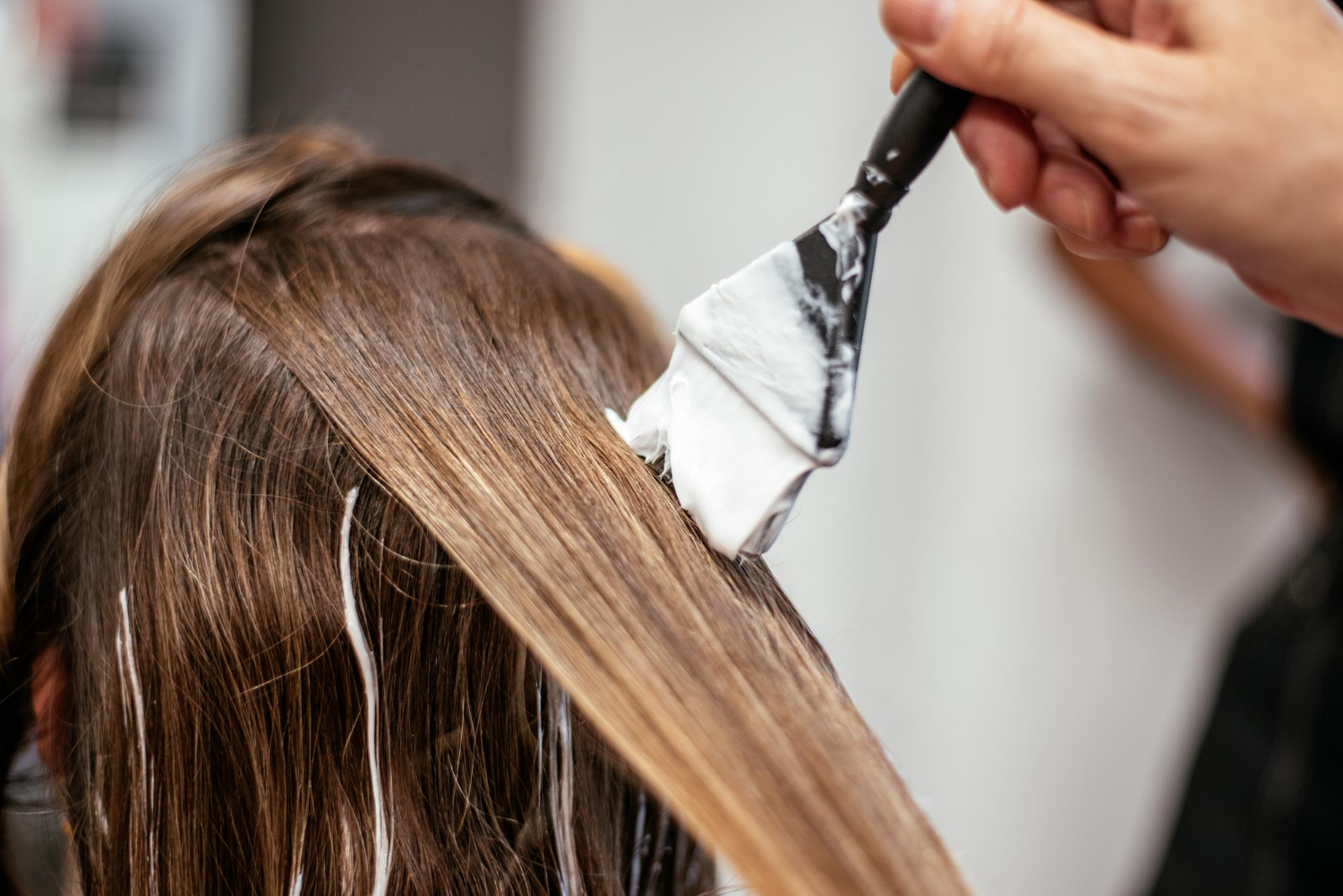
Although at home coloring is common, professional guidance becomes especially valuable for major color changes or corrective work. Hair professionals assess hair condition, undertone balance and maintenance needs before recommending a shade. This approach minimizes unwanted outcomes and increases the likelihood of achieving an even, polished finish that lasts longer.
Choosing the right hair dye with a thoughtful and informed approach results in a color that complements facial features and supports hair integrity. When personal characteristics and hair needs are properly considered, hair color becomes a refined element that enhances overall style and confidence.