

The arrival of cold weather often dictates a change in our overall hygiene routines, yet many people continue to wash their hair with the same frequency and intensity as they do in the summer. During winter, the air is significantly drier, and the scalp’s natural moisture balance becomes increasingly fragile. One of the most common mistakes is attempting to combat the winter chill with excessively hot showers, which can be devastating for both the scalp’s health and the hair’s structural integrity. Finding the perfect balance in your washing routine is the first step toward preventing seasonal dryness and breakage.
The Danger of High Temperatures
It is a natural instinct to turn up the water temperature when the weather outside is freezing, but hot water is one of the primary enemies of healthy hair. High temperatures strip the scalp of its natural oils, known as sebum, which act as a protective barrier. When this barrier is removed, the scalp becomes vulnerable to irritation, flakiness, and extreme dryness. Furthermore, hot water causes the hair cuticle to open too wide, allowing internal moisture to escape and leaving the hair looking frizzy and dull. This thermal shock effectively dehydrates the hair from the inside out, making it much harder for your conditioning products to maintain long-term hydration.
To protect your hair, the water should be lukewarm, ideally around 37-38°C. This temperature is warm enough to effectively dissolve product buildup and excess oil without scalding the scalp or damaging the delicate hair fibers. By adhering to the lukewarm rule, you ensure that the scalp stays balanced and doesn’t overproduce oil as a reactionary defense mechanism. This moderate temperature also keeps the hair shaft from swelling excessively, which reduces the risk of structural damage and helps your hair maintain its natural elasticity and strength during the brittle winter months.
One of the most effective ways to finalize your routine is the cold rinse secret. Finishing your wash with a quick splash of cool water helps to snap the cuticles shut, sealing them back against the hair shaft. This simple step locks in the moisture and nutrients from your conditioner while smoothing the hair surface. The result is a natural, healthy shine that reflects light better and a significant reduction in static and frizz. This closed-cuticle state acts as a finishing shield, ensuring your hair is primed to face the dry, cold air once you step out of the shower.
Adjusting Washing Frequency for the Season
In the winter, your scalp generally produces less sweat than in the summer, meaning you likely do not need to wash your hair as often. Over-washing in cold weather leads to a cycle of chronic dehydration. When you wash too frequently, you force the scalp to overcompensate for the lost oils, which can sometimes result in “reactive greasiness” where the roots feel oily but the ends remain straw-like and dry.
For most hair types, reducing your washing schedule to two or three times a week is sufficient. This allow the natural oils to travel down the hair shaft, providing much-needed lubrication and protection against the dry indoor air. If you find your hair feels flat between washes, consider using a gentle dry shampoo or simply massaging the scalp with a soft brush to distribute the natural oils more effectively.
Strategic Cleansing Techniques
The way you apply products during a winter wash is just as important as the frequency. Because the ends of the hair are the oldest and most prone to winter breakage, they require a different approach than the roots. By adopting a strategic method for cleansing and drying, you can ensure your hair remains strong and hydrated despite the harsh environmental conditions.
Focus on the Scalp
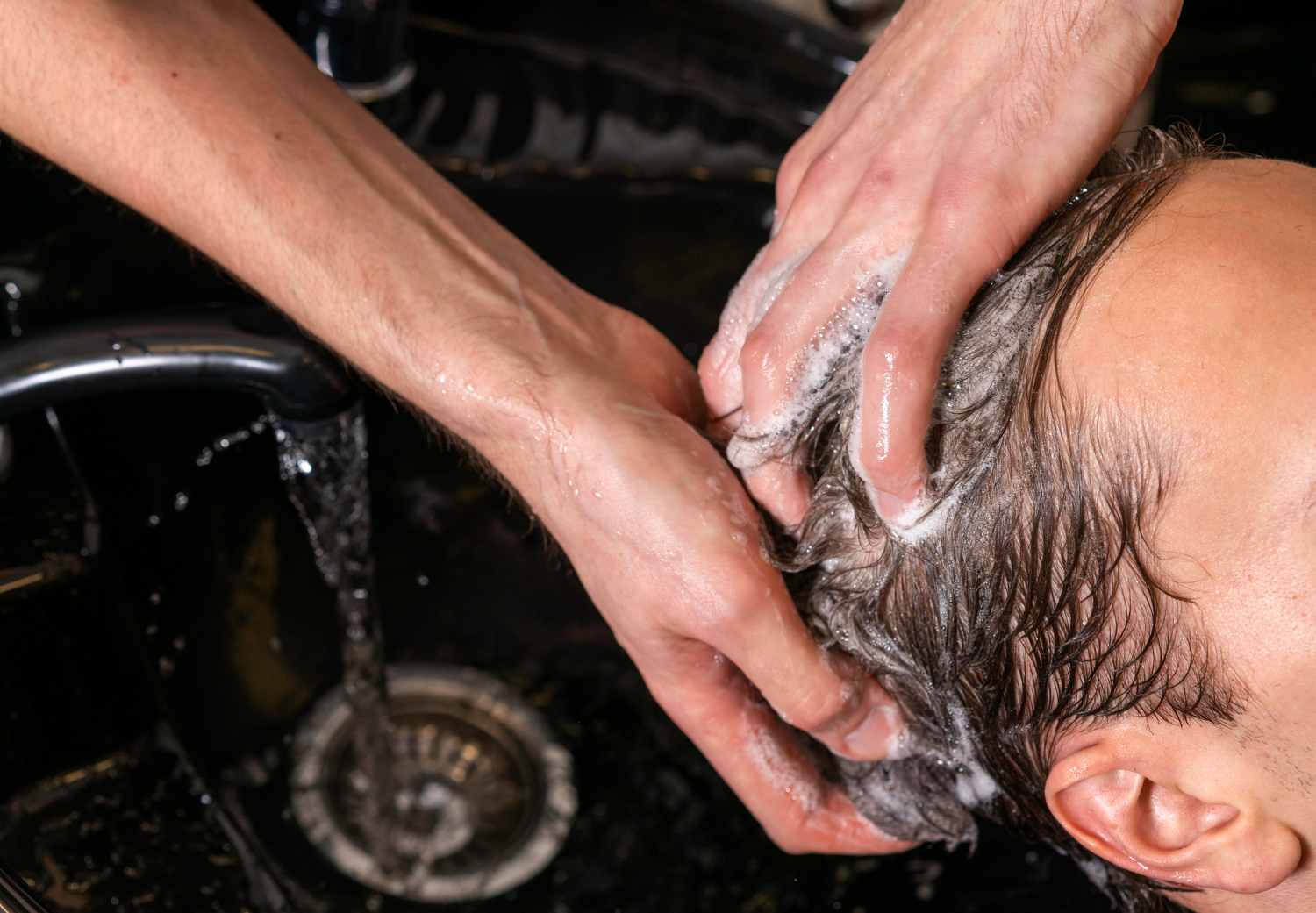
Apply your shampoo primarily to the scalp and the first few centimeters of the hair. This is where oil and product buildup accumulate. The suds that naturally rinse down the length of the hair during the rinsing process are usually enough to clean the ends without stripping them of vital moisture. This technique prevents the oldest parts of your hair from becoming excessively dry and brittle.
Conditioning Priority
Unlike shampoo, conditioner should be focused exclusively on the mid-lengths to the ends. These areas are the most vulnerable to the desiccant effects of indoor heating. During winter, consider leaving your conditioner on for an extra two to five minutes; this “extended soak” allows hydrating ingredients to penetrate deeper into the cortex, providing a more robust moisture barrier.
Pat, Don’t Rub
After the wash, avoid the temptation to rub your hair vigorously with a standard towel. Hair is at its most fragile and elastic state when wet. Instead, gently squeeze out the excess water with a microfiber towel or an old cotton t-shirt. This reduction in friction prevents the cuticle from roughening, which effectively eliminates unnecessary frizz and protects against the formation of split ends.
Pre-Wash Treatment
To further combat winter dryness, consider applying a light hair oil or a pre-wash treatment to the ends before entering the shower. This acts as a protective shield, ensuring that even a gentle shampooing doesn’t over-strip the hair’s natural lipids. This “CWC” (Condition-Wash-Condition) method is particularly effective for those with high-porosity or color-treated hair during the colder months.
Product Dilution
If you find your scalp is particularly sensitive or dry in the winter, try diluting your shampoo with a bit of water in your palm before applying it. This makes the formula easier to spread across the scalp and reduces the concentration of surfactants in any one spot. A more evenly distributed, gentler lather ensures a thorough clean that respects the scalp’s delicate winter balance.
By adjusting the temperature of your shower and the frequency of your washes, you are respecting the natural biological needs of your hair during the harshest months of the year. This mindful approach ensures that your hair remains soft, hydrated, and resilient, regardless of how low the temperature drops outside.


