
Hair that looks vibrant and shiny during warmer seasons often appears noticeably dull once winter arrives. Even people who maintain a regular hair care routine may struggle with lifeless, flat looking hair in colder months. This change is rarely caused by a single factor. Instead, it develops gradually as environmental conditions, daily habits and seasonal care adjustments combine to disrupt the hair’s natural balance. Understanding these causes in depth makes it easier to restore shine and maintain healthier looking hair throughout winter.
Moisture Loss Caused by Cold and Dry Air
One of the primary reasons hair loses its shine in winter is moisture depletion. Cold outdoor air contains very little humidity, and indoor environments heated by radiators or air systems are even drier. Hair fibers constantly exposed to dry air lose internal moisture more quickly, becoming rough and less flexible.
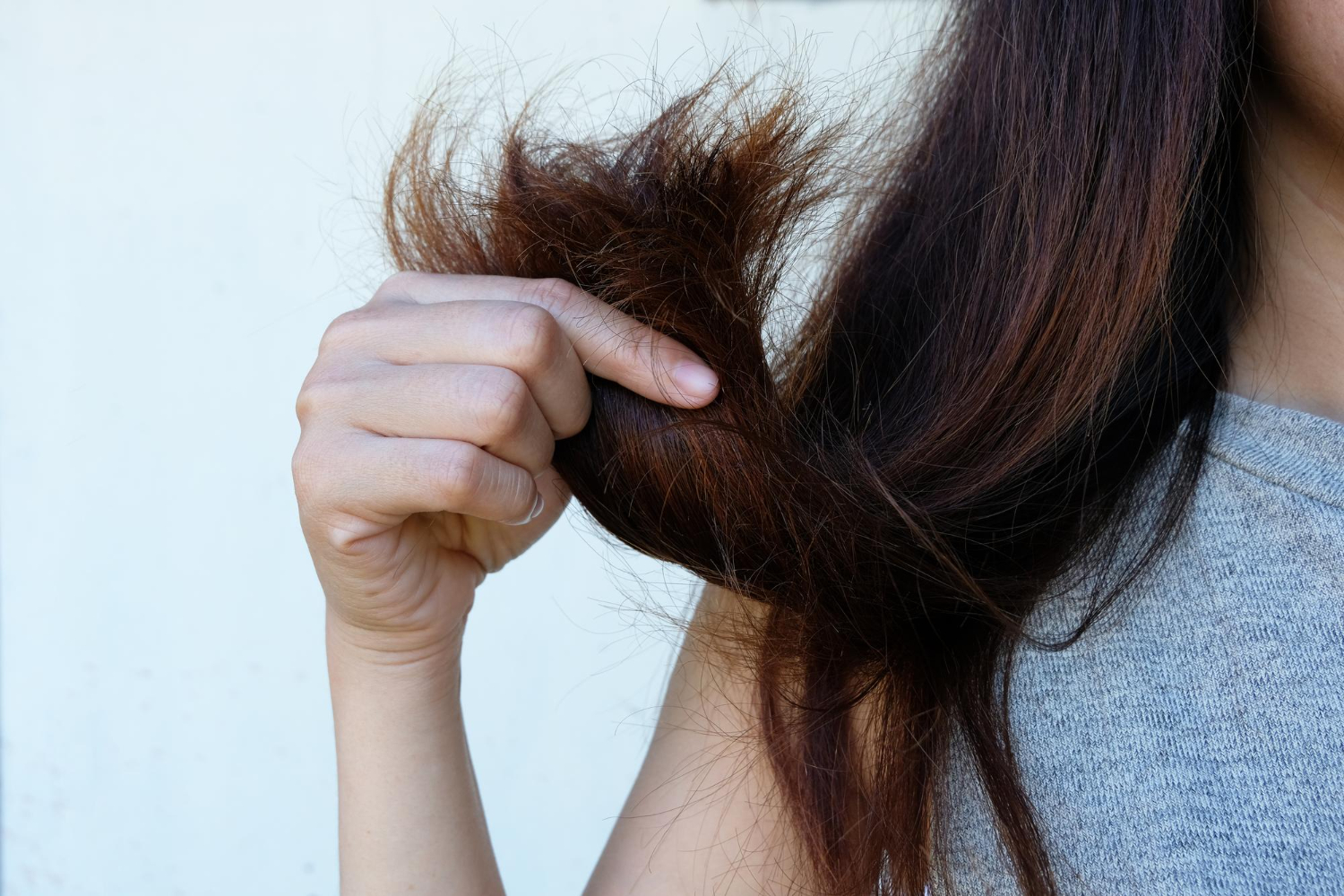
When moisture levels drop, the cuticle layer of the hair no longer lies flat. Instead, it lifts slightly, creating an uneven surface that scatters light rather than reflecting it. This structural change directly affects shine, making hair look dull and lifeless even when it is clean. Over time, chronic dryness also reduces elasticity, which further contributes to a lack of smoothness and movement.
Excessive Use of Hot Water During Washing
Hot showers are common during winter because they provide immediate comfort in cold weather. However, prolonged exposure to hot water weakens the hair cuticle and removes the natural oils that coat and protect each strand. These oils play a crucial role in maintaining smoothness and shine.
As natural oils are stripped away, hair becomes more porous and vulnerable to dehydration. The cuticle remains open for longer periods, allowing moisture to escape easily. This process gradually dulls the hair’s appearance and makes it harder for conditioning products to restore softness fully.
Increased Friction From Winter Clothing and Accessories
Winter wardrobes introduce scarves, coats, turtlenecks and thick fabrics that constantly rub against the hair, especially around the neck, shoulders and back. This repeated friction disrupts the cuticle surface and causes micro damage along the hair shaft.
Over time, friction leads to rough texture, tangling and increased static. Hair that is constantly rubbing against coarse fabrics loses its smooth outer layer, which reduces its ability to reflect light evenly. This effect is particularly noticeable on longer hair, where the ends come into frequent contact with clothing throughout the day.
Overreliance on Heat Styling Tools
During winter, hair often feels harder to manage due to dryness, static and lack of shape. As a result, heat styling tools such as blow dryers, straighteners and curling irons tend to be used more frequently. While these tools help control appearance temporarily, excessive heat removes moisture from within the hair fiber and weakens its outer layer.
Without adequate protection and moderation, repeated heat exposure damages the cuticle and leaves hair looking dry and matte. Shine gradually fades as the hair surface becomes uneven, and styling results last for shorter periods despite increased effort.
Product Buildup From Heavier Winter Formulations
In colder months, many people switch to richer shampoos, conditioners and leave in treatments to combat dryness. While these products are helpful when used correctly, excessive layering or improper rinsing can lead to buildup on the hair surface.
Product residue coats the strands and weighs them down, preventing light from reflecting properly. Hair may feel soft to the touch but still appear flat and dull. Buildup also reduces volume and makes hair look greasy faster, further diminishing its healthy appearance.
Reduced Scalp Circulation in Cold Weather
Cold temperatures can affect blood circulation near the scalp, especially when the head is frequently exposed to low temperatures. Reduced circulation may limit the delivery of oxygen and nutrients to hair follicles, which affects hair vitality over time.
Although this change happens gradually, it contributes to weaker, less resilient hair that lacks natural shine. When combined with dryness and environmental stress, reduced circulation becomes another factor in winter related dullness.
Inconsistent or Disrupted Care Routines
Winter often disrupts daily routines. Changes in washing frequency, skipped conditioning steps or frequent product switching can destabilize hair balance. Hair responds best to consistency, especially when environmental stress increases.
When routines become irregular, hair struggles to retain moisture and maintain a smooth cuticle structure. This inconsistency makes dullness more noticeable and harder to correct, even with high quality products.
Dehydration and Seasonal Lifestyle Changes
Lower water intake during colder months contributes to overall dehydration, which affects skin and hair alike. When the body lacks sufficient hydration, hair fibers receive less internal support and become more prone to dryness and loss of shine.
Seasonal stress, reduced outdoor activity and changes in diet may also influence hair quality. These internal factors often show up first as a lack of vitality and brightness in the hair.