
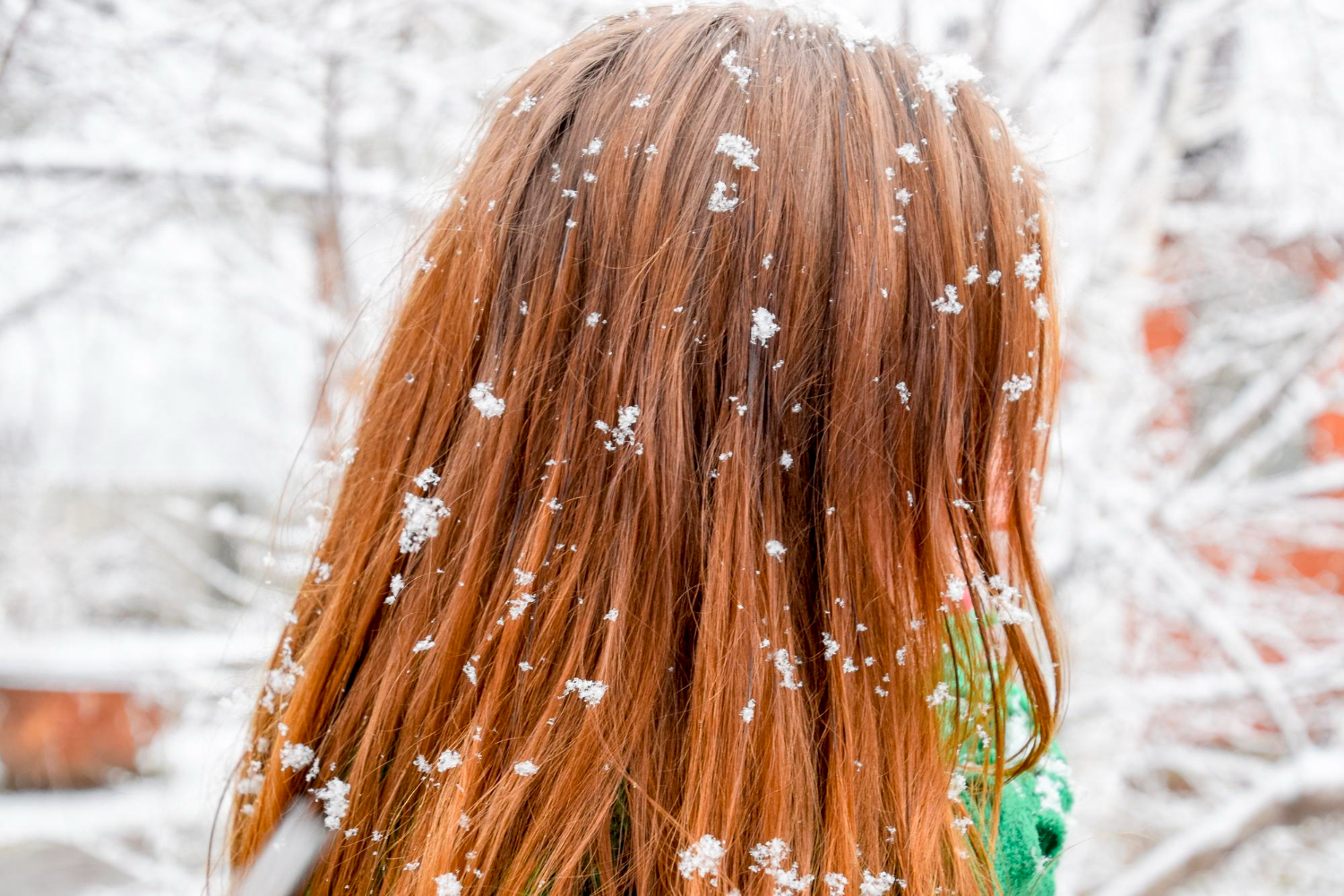
Cold weather and strong winds place significant stress on the hair, often leading to dryness, loss of shine and increased breakage during the winter months. Unlike seasonal changes that affect hair gradually, cold air and wind act directly on the hair surface every day. Over time, this constant exposure disrupts moisture balance, weakens the hair structure and makes hair harder to manage. Understanding how these environmental factors affect hair helps explain why winter care needs to be more protective and intentional.
Moisture Loss Caused by Cold Air
Cold air holds far less moisture than warm air, which causes hair to lose hydration more quickly. When hair is exposed to low temperatures for extended periods, internal moisture evaporates from the hair fiber, leaving strands dry and stiff. This dehydration reduces flexibility, making hair more prone to snapping and splitting.
As moisture levels drop, the cuticle layer lifts slightly instead of remaining smooth and flat. This lifted surface scatters light unevenly, which results in a dull and lifeless appearance. Hair that lacks moisture also feels rough to the touch and becomes more difficult to style or control.
Wind Induced Friction and Tangling
Wind constantly moves and rubs the hair against itself and surrounding surfaces such as scarves, coats and collars. This repeated friction disrupts the cuticle and causes mechanical wear along the hair shaft. Tangling becomes more frequent, especially in longer hair, and detangling afterward often leads to breakage if not done carefully.
Strong winds also pull and stretch individual strands, placing stress on the weakest areas of the hair, usually the ends. Over time, this mechanical stress leads to frizz, split ends and uneven texture.
Increased Static Electricity
Cold and dry conditions create an ideal environment for static electricity. When hair loses moisture, it becomes more susceptible to static buildup, causing strands to repel each other. This results in flyaways, lack of control and a messy appearance even shortly after styling.
Static not only affects appearance but also increases friction between strands, which further damages the cuticle. Hair becomes harder to smooth and styles lose their shape more quickly.
Reduced Natural Oil Distribution
In colder weather, the scalp’s natural oils do not spread as easily along the hair shaft. This leaves the roots feeling oily while the lengths and ends remain dry. Without adequate oil distribution, hair loses its natural protective coating, becoming more vulnerable to environmental damage.
This imbalance often leads to the mistaken use of heavier products near the scalp, which can weigh hair down without solving dryness at the ends. Proper care focuses on protecting the lengths while keeping the scalp balanced.
Weakened Hair Structure Over Time
Prolonged exposure to cold air and wind gradually weakens the hair’s outer layer. As the cuticle becomes compromised, hair loses strength and resilience. Strands become more sensitive to brushing, styling and washing, increasing the likelihood of breakage and thinning appearance.
Hair that is already color treated or heat damaged tends to show these effects more quickly, as its protective barrier is already weakened.
The Role of Winter Accessories
Hats, scarves and hoods are essential in cold weather, but they also contribute to hair stress. Constant contact with thick fabrics creates friction and traps moisture or sweat against the hair and scalp. Limited airflow combined with rubbing can lead to irritation, flattening at the roots and increased frizz.
When accessories are worn for long periods, hair often loses volume and becomes more prone to tangling and dullness.
Long Term Impact on Hair Appearance
The combined effects of cold air and wind do not appear overnight. Instead, they gradually change how hair looks and feels. Over time, hair may lose shine, elasticity and softness, appearing thinner and more fragile. Without seasonal adjustments in care, these effects become more noticeable as winter progresses.