

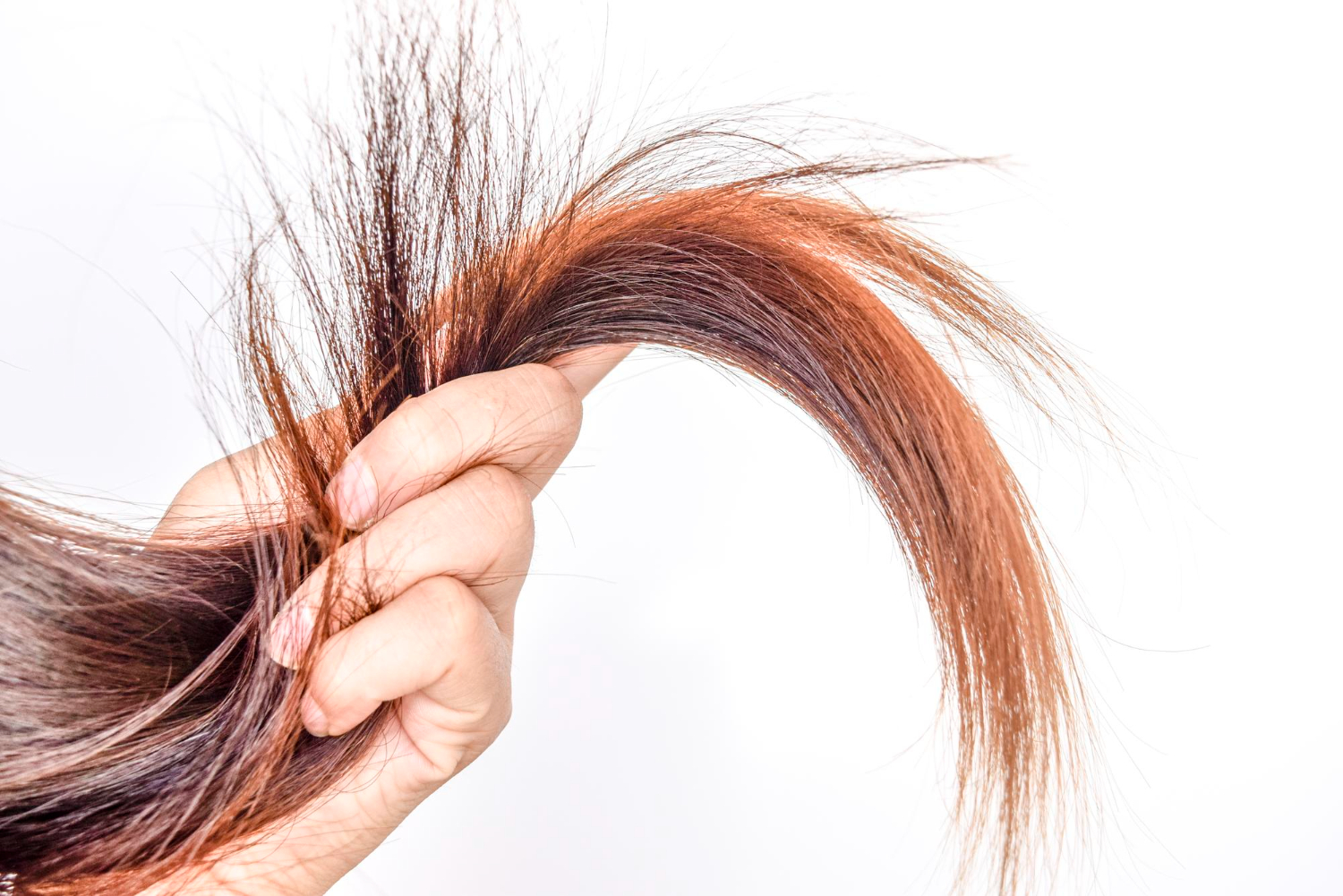
Split ends, scientifically known as trichoptilosis, are more than just an aesthetic inconvenience, they are a sign of structural failure within the hair shaft. While it is common to notice a few frayed ends, many people find that their hair damage seems to accelerate rapidly if not addressed. This progression occurs because hair is a non-living tissue; once the protective outer layer is compromised, the internal structure has no biological way to repair itself. Understanding why this damage spreads is the first step toward maintaining the long-term integrity and smoothness of your hair.
The Breakdown of the Cuticle Layer
The hair shaft is a complex biological structure composed of three distinct layers: an inner core called the medulla, a substantial middle layer known as the cortex, and an outer protective shield called the cuticle. The cuticle acts as the first line of defense, consisting of overlapping scales much like shingles on a roof that function to lock in essential moisture and protect the structural integrity of the cortex. When these scales are healthy and lie flat, the hair appears shiny and smooth; however, when they are lifted or stripped away through environmental or mechanical stress, the porous cortex becomes exposed, leading to rapid degradation.
Friction and mechanical stress are among the most common contributors to the slow erosion of this protective barrier. Constant rubbing against rough fabrics, such as heavy wool scarves during winter or traditional cotton pillowcases, creates enough surface tension to gradually lift the cuticle scales. This repeated physical agitation roughens the hair’s texture and makes it highly susceptible to tangling. Over time, this mechanical wear-and-tear thins the cuticle layer, leaving the hair feeling “velcro-like” and significantly more prone to mid-shaft breakage.
Heat damage and chemical exposure represent more aggressive forms of cuticle destruction. Excessive use of high-temperature styling tools causes the moisture held within the cortex to evaporate violently, creating steam pressure that can literally “pop” the cuticle scales outward or cause them to buckle and crack. Similarly, frequent coloring or harsh chemical treatments weaken the disulfide and protein bonds that hold the cuticle layers together. Once these bonds are compromised, the scales begin to peel away, leaving the hair unable to retain hydration and resulting in the brittle, split ends that characterize severely damaged hair.
Why Damage “Travels” Up the Hair Shaft
One of the most frustrating aspects of split ends is their tendency to worsen over time. A split end acts very much like a snag in a piece of fabric; once the initial tear occurs, any further tension causes the split to travel vertically toward the root. This is why a small, barely noticeable split can transform into a deep fracture that spans several centimeters if it is not trimmed.
As the split moves upward, it exposes the delicate inner fibers of the hair to the air, leading to further dehydration. This creates a “domino effect” where the hair becomes increasingly porous, loses its elasticity, and eventually snaps off entirely. This loss of integrity is what causes hair to look thin and “see-through” toward the ends, even if the roots are healthy and thick.
Factors That Accelerate Breakage
While daily wear and tear is inevitable, certain habits and external conditions can significantly speed up the rate at which splits develop and multiply. Identifying these specific triggers is crucial for slowing down the progression of structural damage between professional trims. When we understand the mechanics of how the hair fiber fails, we can implement small but effective changes to our daily routines that preserve the integrity of the hair shaft for much longer periods.
A primary cause of immediate damage is the habit of brushing hair while it is wet. Hair is at its weakest and most elastic state when saturated with water, as the hydrogen bonds are temporarily broken. Using a fine-tooth brush or applying too much force during this stage can stretch the strands beyond their natural breaking point, causing microscopic fractures along the cuticle. To prevent this mechanical snapping, it is essential to use a wide-tooth comb or a brush specifically designed for wet hair, starting carefully from the ends and working upward toward the roots.
Beyond physical handling, internal health and environmental conditions play a massive role in hair resilience. Nutritional deficiencies, specifically a lack of essential fatty acids, biotin, or zinc, can result in the production of a weaker hair shaft from the very beginning. Without these building blocks, the hair produced by the follicle lacks the structural “glue” needed to withstand daily styling. Furthermore, prolonged exposure to harsh environmental factors like UV rays or extreme cold strips the hair of its natural protective oils. This leaves the cuticle dry, brittle, and highly prone to cracking, which eventually leads to the deep splits that migrate up the hair shaft.
Prevention and Management Strategies
Because there is no permanent way to “glue” a split end back together, the focus must always be on prevention and containment. While many products claim to fix split ends, they typically offer a temporary cosmetic seal using silicones or polymers that smooth the hair until the next wash.
The only definitive cure for split ends is a professional trim, often referred to as “dusting,” which removes the damaged tips before the split has a chance to move higher. To supplement this, incorporating deep conditioning treatments and using leave-in fortifiers can provide a temporary protective barrier, reducing the friction that causes initial splits. By managing the health of the cuticle, you can significantly slow the aging process of your hair and keep it looking vibrant for longer periods.