

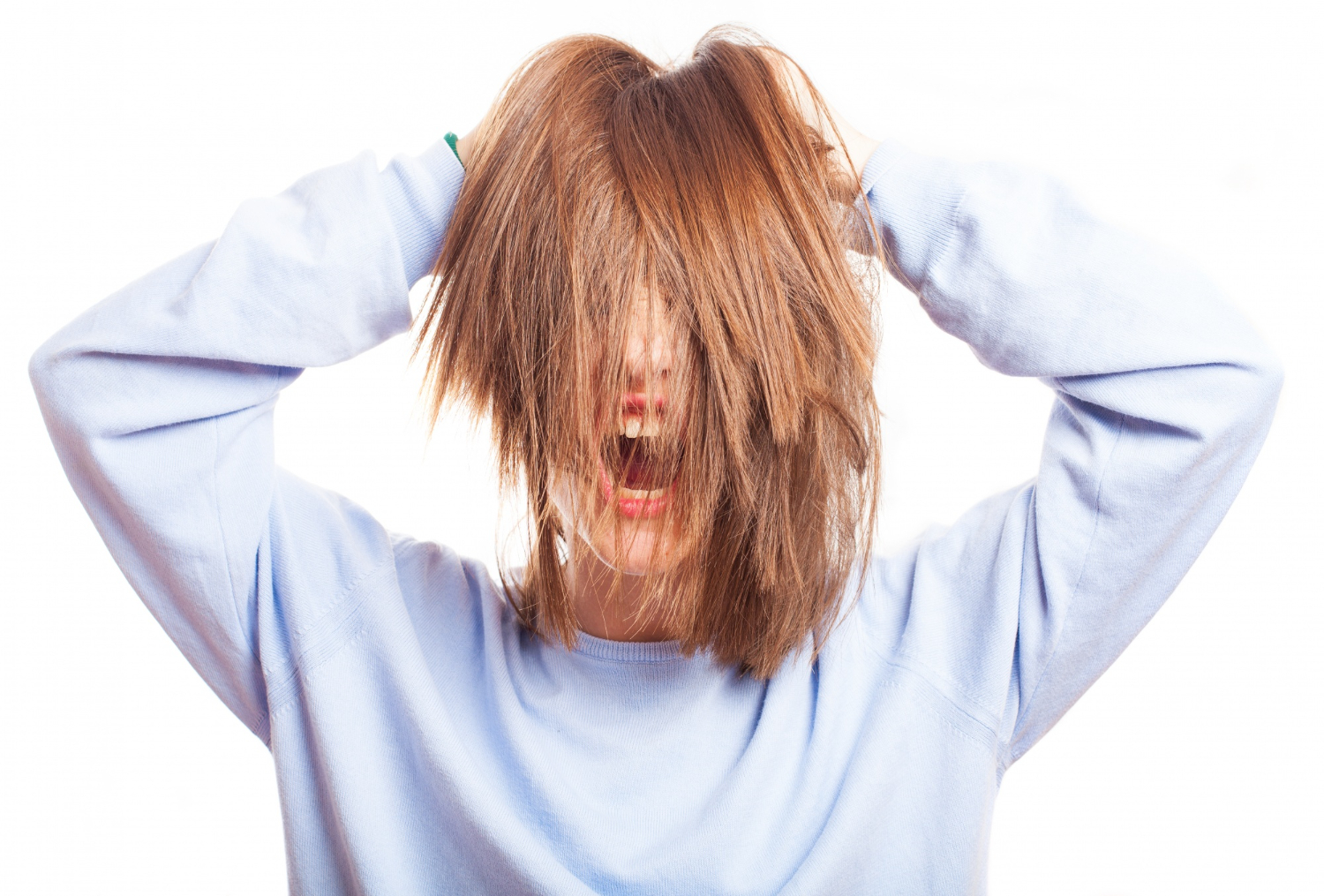
Hair static, scientifically known as the accumulation of static electricity, is more than just a visual nuisance; it is a biological signal that your hair’s moisture balance has been compromised. This phenomenon occurs when friction causes an imbalance of electrons on the hair surface, leading individual strands to repel each other and stand away from the head. Understanding the environmental and mechanical triggers behind this “flyaway” effect is essential for maintaining a smooth, professional appearance during seasons of high static.
The Correlation Between Dehydration and Static
The primary driver of hair static is a lack of internal and atmospheric moisture. Healthy, hydrated hair is a natural conductor that allows electrical charges to dissipate harmlessly. However, when the hair shaft becomes dry, it acts as an insulator, allowing static charges to build up without any means of neutralization. When strands are stripped of their water content, they repel each other, resulting in the chaotic, flyaway appearance we recognize as static.
Low Environmental Humidity: The Winter Effect
In winter, the combination of cold outdoor air and dry indoor heating strips moisture from the hair. As the water molecules within the hair evaporate to balance the dry environment, the strands become lighter and more prone to electrical charging. This atmospheric dehydration is why static is significantly more prevalent during the colder months when the air lacks the humidity needed to ground the hair.
Thermal Dehydration: High-Heat Instability
Constant use of blow dryers and flat irons at high temperatures evaporates the bound moisture within the cortex, making the hair “crisp” and electronically unstable. Over-styling effectively bakes the moisture out of the fiber, leaving the hair in a state of chronic thirst. Without this internal water weight, the hair loses its ability to remain calm and grounded, reacting instantly to any friction.
Porosity Issues: The Broken Seal
Hair with a compromised cuticle (the outer protective layer) cannot retain the moisture it receives, leading to chronic dryness and persistent frizz. When the cuticle scales are lifted or missing, moisture escapes as quickly as it is applied. This high-porosity state creates a permanent vulnerability to static, as the hair can never maintain the hydration levels required to neutralize electrical buildup.
Friction from Synthetic Materials: The Silent Charge
Beyond internal dehydration, the materials that touch your hair can accelerate static. Synthetic fabrics like polyester, nylon, and acrylic commonly found in winter hats and scarves are highly prone to creating static electricity when they rub against dry hair fibers. Switching to natural fibers like silk or wool can help reduce this friction-based charging.
Chemical Imbalance: Over-Processed Vulnerability
Frequent chemical treatments, such as bleaching or perming, strip away the protective fatty acids (the 18-MEA layer) that naturally coat the hair. This loss of the “lipid shield” makes the hair more susceptible to environmental changes. Without this oily barrier, the hair becomes an easy target for static electricity, as there is no smooth surface to help the charges slide off.
Mechanical Friction and Material Interaction
The materials that come into contact with your hair significantly influence the transfer of electrons. Daily movements and clothing choices can act as a catalyst for static buildup, especially when using synthetic fibers.
For example, wearing wool hats, scarves, or polyester-lined hoods creates intense friction against the hair cuticle. This friction strips electrons from the hair, leaving the strands positively charged and physically repelled from one another. Similarly, plastic combs and brushes are notorious for generating static; as they pass through dry hair, they “excite” the electrical charge rather than grounding it. Switching to tools made of carbon, wood, or natural bristles helps to neutralize these charges during grooming.
Cuticle Health and Surface Roughness
The smoothness of the hair cuticle plays a defensive role against static. When the cuticle scales lie flat and are sealed with natural oils, the surface area for friction is minimized. However, when the scales are lifted, the hair becomes “rough,” increasing the likelihood of strands snagging and generating a charge. A smooth, closed cuticle allows hair to glide past itself, whereas a damaged surface acts like Velcro, creating the perfect conditions for electrical buildup.
Aggressive Towel Drying
Rubbing hair vigorously with a standard cotton towel roughens the cuticle and induces immediate static. The loops in a traditional towel are often too abrasive for wet hair, which is already in a vulnerable state. This mechanical agitation forces the cuticle scales upward, creating a jagged surface that generates high levels of friction as the hair dries, leading to a halo of flyaways.
Alkaline pH Levels
The pH balance of your hair products directly dictates the behavior of the cuticle. Using shampoos with a high (alkaline) pH can cause the hair shaft to swell and the cuticle scales to lift. This open-cuticle state makes the hair significantly more susceptible to environmental static. Maintaining an acidic pH level (between 4.5 and 5.5) is essential for keeping the cuticle sealed and the hair electronically grounded.
Hard Water Deposits
Mineral buildup on the hair shaft from hard water can create a gritty, uneven texture. Elements like calcium and magnesium leave a residue that increases friction between individual strands. This mineral “crust” not only prevents moisture from entering the hair but also creates a sandpaper-like surface that facilitates the generation of static charges every time the hair moves
Strategies for Neutralizing Static
To effectively manage static, you must focus on both moisture retention and friction reduction. Using leave-in conditioners or lightweight hair oils creates a microscopic film over the hair shaft. This film serves two purposes: it locks in internal hydration and provides a “lubricated” surface that allows strands to glide past each other and your clothing without generating a charge.
Additionally, incorporating a weekly deep-conditioning mask can help restore the lipid barrier of the hair. In emergency situations, even a small amount of water or a specialized anti-static spray can temporarily neutralize the charge, but long-term prevention always relies on maintaining a healthy, moisture-rich hair environment.