

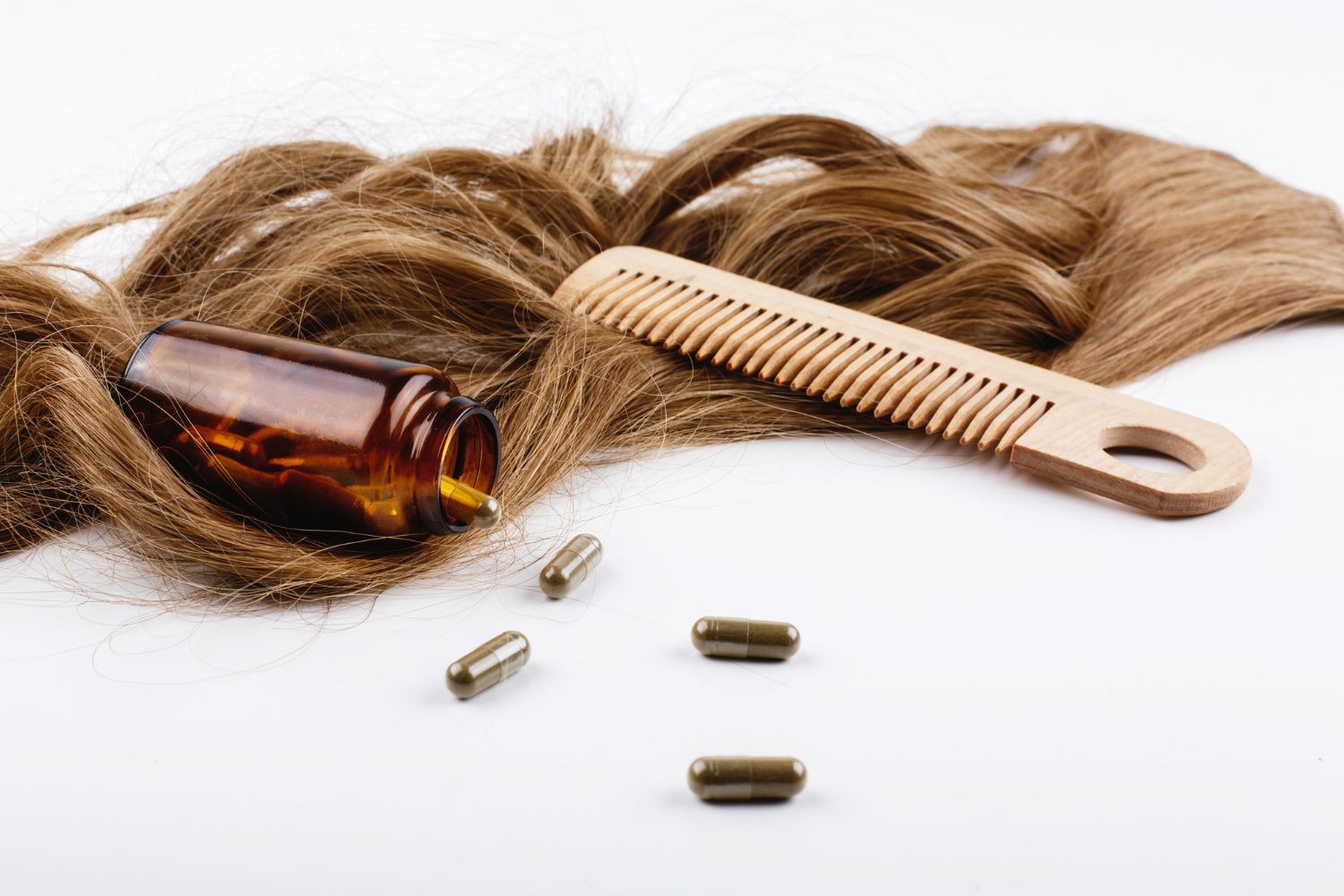
Hair health is influenced by more than just topical care. The nutrients the body receives each day play a crucial role in determining how strong, shiny and resilient the hair becomes. When the body lacks essential vitamins or minerals, the hair growth cycle slows, strands weaken and shedding may increase. Understanding the nutrients that directly support hair structure helps build a routine that works from the inside out. This guide explains the most important vitamins and minerals for hair health and how they contribute to growth and long term strength.
Vitamin A: Supports Scalp Moisture and Cell Renewal
Vitamin A helps the scalp maintain proper moisture levels by supporting healthy sebum production. Sebum protects the hair by keeping it soft and preventing dryness. A deficiency may cause dullness, dryness and buildup.
Sources include carrots, sweet potatoes, spinach and eggs, which help the scalp remain hydrated and balanced throughout the year.
B Vitamins: Essential for Growth and Strength
The B complex vitamins, especially biotin (B7) and niacin (B3), are known for their role in supporting the hair’s natural growth cycle.
Biotin helps strengthen the hair shaft and prevents breakage. It improves the structure of keratin, the protein that forms hair.
Niacin supports healthy blood flow to the scalp, which helps deliver nutrients to the follicles more effectively.
Other B vitamins, such as B6 and B12, also influence cell metabolism and help reduce shedding caused by nutrient imbalance.
Foods rich in B vitamins include whole grains, lean meats, eggs, mushrooms and legumes.
Vitamin C: Protects Against Damage and Supports Collagen
Vitamin C is a powerful antioxidant that protects the hair from environmental stressors. It also supports the production of collagen, a key component of the hair structure. Adequate collagen helps hair remain strong, flexible and less prone to breakage.
Vitamin C also improves the absorption of iron, another vital mineral for hair health. Citrus fruits, berries, peppers and leafy greens are excellent sources.
Vitamin D: Supports Follicle Activity
Low Vitamin D levels have been associated with increased shedding and a weakened growth cycle. Vitamin D helps maintain active follicles, supporting thicker and healthier growth over time.
The body produces Vitamin D through sunlight exposure, but it can also be obtained from fatty fish, fortified foods and supplements if needed.
Vitamin E: Enhances Shine and Protects the Scalp
Vitamin E supports the scalp by protecting it from oxidative stress. This reduces dryness and promotes a smooth, balanced surface for growth. Its antioxidant properties help maintain shine and improve softness.
Nuts, seeds, avocados and vegetable oils are strong dietary sources that support both scalp comfort and hair quality.
Iron: Essential for Strong, Stable Growth
Iron deficiency is one of the most common nutritional causes of hair thinning. Iron supports oxygen delivery to the follicles, allowing them to function properly. Without sufficient iron, the growth phase of the hair may shorten, leading to increased shedding.
Iron rich foods include red meat, beans, lentils, tofu, spinach and fortified grains. Pairing iron with Vitamin C helps improve absorption.
Zinc: Supports Scalp Repair and Oil Balance
Zinc plays a vital role in cell repair and regulation of oil production on the scalp. A deficiency may lead to dryness, irritation or dandruff-like symptoms. Zinc also contributes to follicle strength and helps protect against breakage.
Sources include nuts, seeds, shellfish and whole grains, all of which support a stable scalp environment.
Omega 3 Fatty Acids: Improve Shine and Reduce Dryness
Omega 3s nourish the follicles and help maintain hydration within the hair shaft. This reduces frizz, improves shine and supports elasticity. They also help calm scalp inflammation and promote long term comfort.
These essential fats are found in salmon, sardines, walnuts, chia seeds and flaxseeds.
Magnesium: Reduces Stress Related Hair Weakness
Magnesium supports relaxation and healthy cellular function. Low magnesium levels may contribute to stress related shedding or sensitivity. Maintaining adequate magnesium helps stabilize the scalp and promote better growth conditions.
Good sources include nuts, whole grains, leafy greens and legumes.
Building a Hair Healthy Diet
While topical treatments strengthen the outer layer of the hair, nutrients strengthen the foundation. Including a variety of these vitamins and minerals in daily meals helps maintain softer, fuller and more resilient strands. Consistency is key because the hair reflects nutritional changes over time, not overnight.
A balanced diet paired with professional hair care creates long term stability and a naturally healthier appearance.