

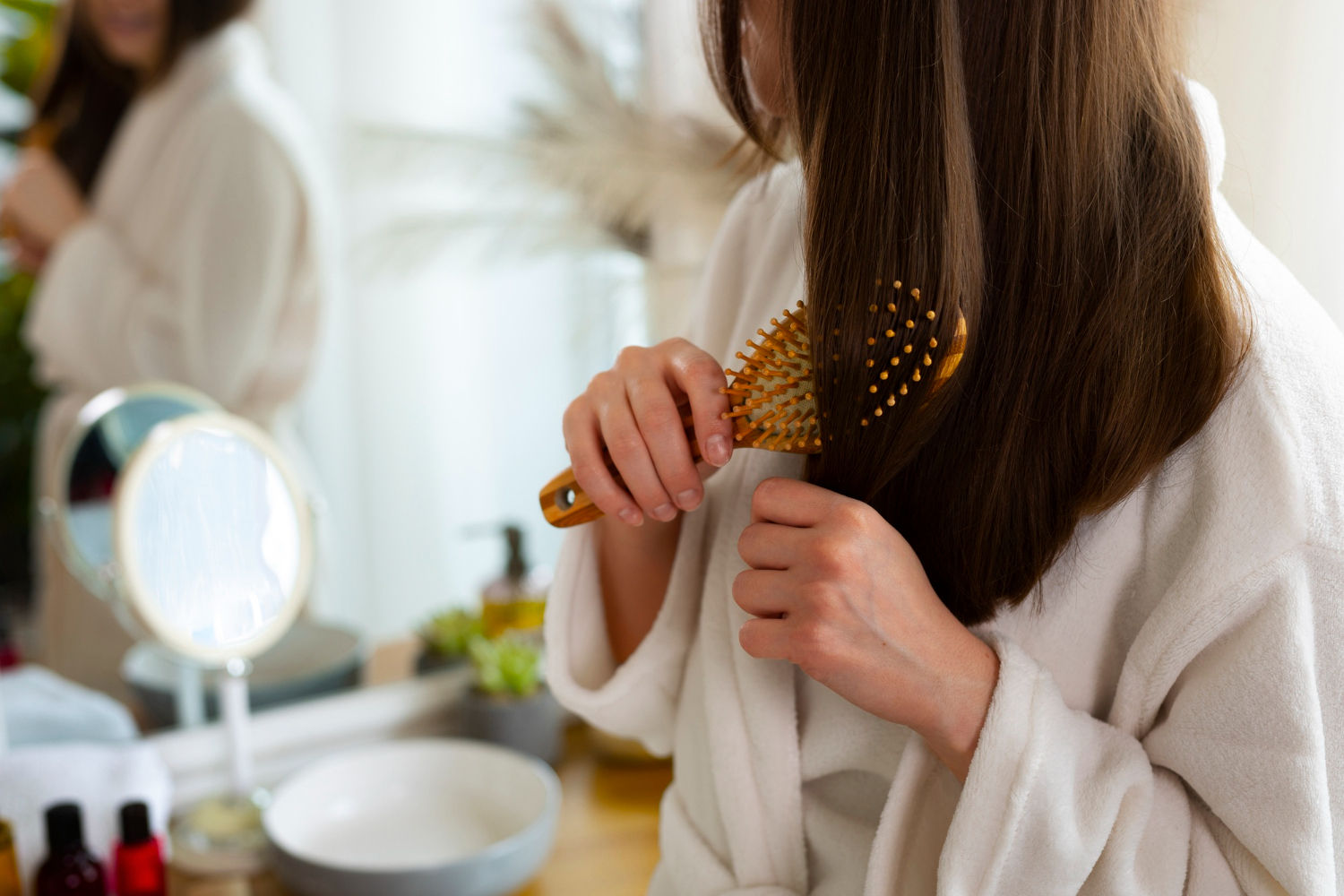
Seasonal transitions influence the condition of the hair and scalp more deeply than most people expect. Temperature shifts, humidity changes, increased wind exposure and fluctuating levels of sunlight all play a role in altering moisture balance. During these periods, the hair can become dry, frizzy or heavy depending on the direction of the seasonal change. The scalp may also react with irritation, excess oil or sensitivity. Establishing a routine that adapts to these changes helps maintain long term strength and stability. This guide explains how to care for the hair effectively during seasonal shifts and how to protect it from environmental stress.
Adjust Cleansing Habits According to Weather Changes
Cleansing needs vary from season to season. As temperatures rise, the scalp tends to produce more oil, which requires slightly more frequent washing. When temperatures drop, oil production slows, making gentle shampoos and reduced wash frequency more beneficial. An adaptable cleansing routine helps prevent dryness in cooler months and heaviness during warmer ones.
Using lukewarm water supports comfort and protects the cuticle. A mild scalp massage during washing improves circulation, helping the follicles adjust more easily to environmental shifts. These simple changes create a more balanced foundation throughout the year.
Use Lightweight Products in Warm Seasons and Richer Formulas in Cooler Months
Humidity levels significantly affect product performance. High humidity during spring and early summer often leads to frizz, so lightweight creams, anti humidity serums and leave in conditioners help maintain smoothness. In contrast, cold and dry autumn or winter air requires richer formulas that lock in moisture and reinforce the cuticle.
Rotating products with the seasons ensures that the hair receives appropriate support. This practice reduces brittleness, prevents excess oil, and maintains a healthier overall texture.
Strengthen Hair with Deep Conditioning During Transitions
Seasonal changes often weaken the hair by rapidly altering moisture levels. A weekly deep conditioning mask reinforces the strand, restores softness and protects against environmental stress. Masks containing ceramides, botanical oils or nourishing butters help repair dryness that appears when moving from humid to dry conditions.
Focusing on mid lengths and ends prevents build up near the scalp while delivering hydration where it is most needed. This habit reduces split ends and makes styling easier during transitional months.
Protect the Hair from Wind and Sun Exposure
Spring winds and autumn breezes increase friction on the hair, causing tangles and breakage. Using protective hairstyles, lightweight scarves or hats reduces mechanical damage and maintains manageability. During sunnier transitions, UV exposure can fade color and weaken the cuticle, so UV protective sprays help preserve vibrancy.
These small precautions prevent long term dryness and help maintain shine throughout the seasonal shift.
Maintain Scalp Health as Conditions Change
The scalp often struggles to adapt quickly to new weather patterns. For example, a transition into warmer months may lead to excess oil, while colder months can trigger dryness and flakiness. Using targeted treatments keeps the scalp balanced and comfortable.
A gentle exfoliating scrub removes buildup left from styling products and environmental debris. Hydrating serums applied during cool transitions help the scalp retain moisture and remain comfortable. A balanced scalp supports healthier growth year round.
Reduce Heat Styling When Hair Becomes More Fragile
Seasonal transitions can make hair more porous and prone to damage. High heat styling during these periods intensifies dryness and breakage. Allowing partial air drying or lowering the temperature on styling tools helps protect the hair while it adapts to new conditions.
Using a heat protectant every time styling is necessary creates a barrier that retains moisture and maintains elasticity.
Trim Regularly to Prevent Seasonal Damage
Rapid changes in weather often lead to split ends. Getting a trim at the beginning of a new season keeps the hair looking healthy and stops damage before it travels upward. Regular trims maintain the structure of the strand and allow treatments to work more effectively.
A consistent trimming schedule builds long term resilience during seasonal fluctuations.
Build a Routine That Evolves Throughout the Year
Seasonal care is most effective when approached as a continuous process. Observing changes in dryness, oiliness or sensitivity helps determine when to adjust products or techniques. A flexible routine supports the hair through humidity spikes, temperature drops and varying levels of environmental stress.
By understanding how each season affects the hair, you can maintain smoother texture, improved hydration and healthier growth over time.