
Daily routines shape the overall health of the hair more than many people realize. While environmental factors and genetics play a role, certain habits gradually weaken the strands and disrupt the natural growth cycle. Repeated tension, harsh cleansing methods or improper styling techniques create unnecessary stress on the follicles. Over time, these behaviors increase breakage and contribute to noticeable shedding. This guide explains common habits that affect hair stability and offers practical adjustments that support stronger, healthier hair.
Overwashing and Using Harsh Cleansers
Frequent washing removes the natural oils that protect the scalp and keep the strands flexible. When the hair becomes too dry, it breaks more easily during brushing and styling. Harsh shampoos intensify this problem by stripping moisture and disrupting the scalp’s barrier.
Switching to gentle formulas and reducing wash frequency helps maintain balance. Allowing the scalp to retain some of its natural oils improves hydration, reduces irritation and supports a healthier environment for growth.
Brushing Hair Aggressively
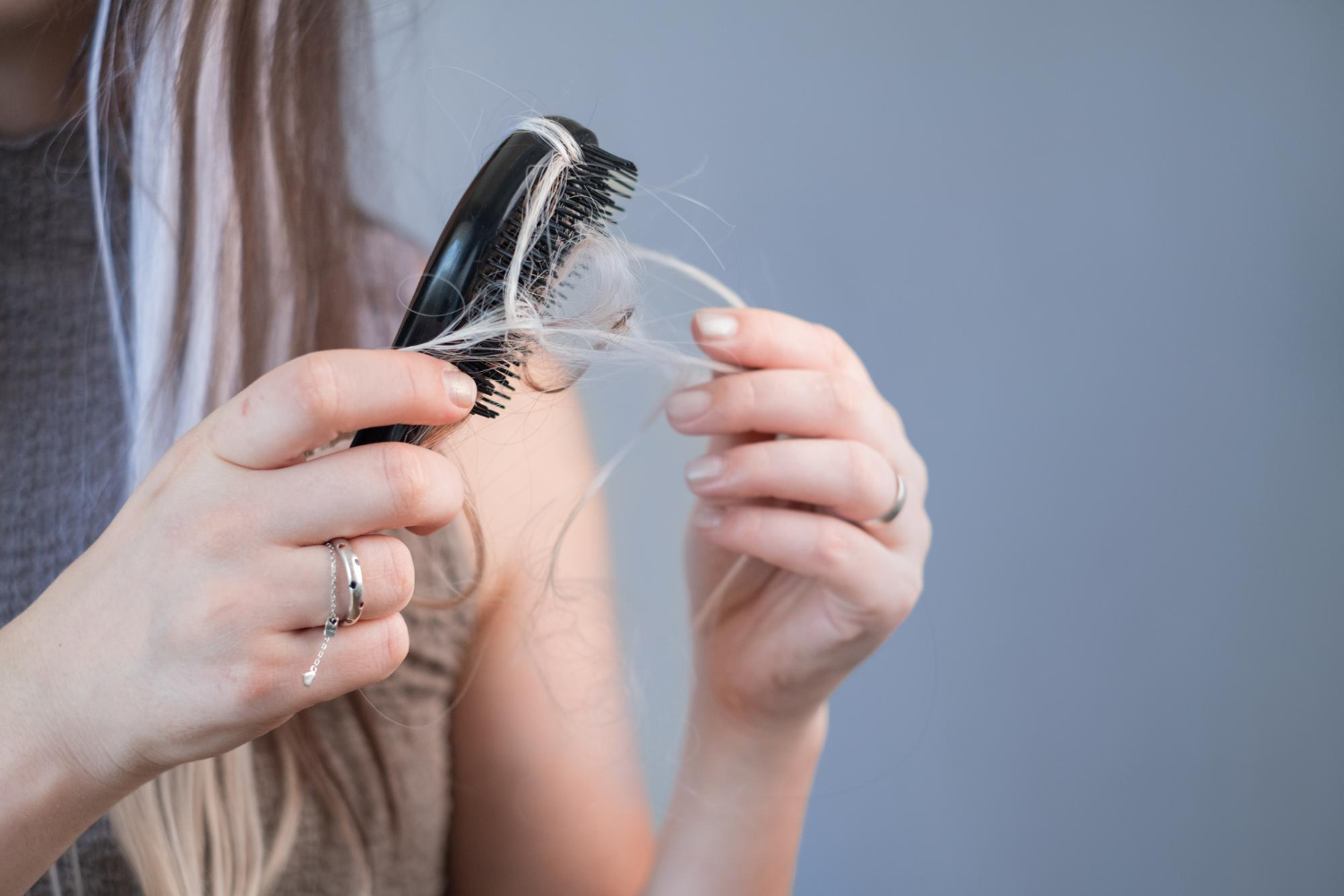
Aggressive brushing, especially when the hair is wet, causes significant mechanical stress. Wet strands are more elastic and vulnerable, so they snap quickly under pressure. The type of brush used also influences the amount of breakage.
Using a wide tooth comb or a detangling brush minimizes tension. Starting from the ends and working upward prevents unnecessary pulling and protects fragile areas. Gentle detangling habits play an essential role in reducing daily shedding.
Tight Hairstyles That Pull on the Roots
Constant tension from tight ponytails, braids or buns places pressure on the follicles. Over time, this tension weakens the root and contributes to traction related shedding. This problem becomes more serious when tight styles are worn daily.
Loosening the hairstyle or alternating with softer options gives the scalp space to recover. Using fabric covered elastics instead of rigid bands also reduces friction and provides better protection for the strands.
Excessive Heat Styling
High temperatures weaken the cuticle and cause the internal structure of the hair to lose moisture. Once the cuticle becomes fragile, the strand breaks with minimal force. Using heat tools every day accelerates this process and leads to increased shedding.
Limiting heat exposure, lowering the temperature and applying a heat protectant spray are effective ways to maintain strength. Occasional air drying allows the hair to recover and helps preserve elasticity.
Ignoring Scalp Health
A congested or irritated scalp disrupts the growth cycle. Buildup from styling products, excess oil or dead skin creates discomfort and blocks follicles. When the scalp becomes imbalanced, the hair gradually weakens at the root.
Regular scalp exfoliation, hydration focused treatments and gentle cleansing habits help restore balance. A healthy scalp supports stronger, more stable growth and reduces the likelihood of excessive shedding.
Using the Wrong Hair Products
Products that do not match the hair or scalp type often cause dryness, oil imbalance or increased tangling. For example, heavy formulas may weigh down fine hair, while lightweight products may not provide enough moisture for thicker textures. These mismatches create friction and weaken the hair over time.
Choosing products based on texture, density and scalp needs improves overall comfort and prevents unnecessary damage. A tailored routine provides better support for long term hair strength.
Skipping Regular Trims
When split ends are not removed, they travel upward and cause additional breakage. This damage makes the hair look thinner and contributes to shedding during brushing.
Trimming every six to eight weeks stops the progression of split ends and maintains the overall integrity of the strands. This routine helps the hair resist daily stress and retain a fuller appearance.
Stress and Poor Lifestyle Habits
Stress affects hormonal balance and influences the natural shedding cycle. Lack of sleep, dehydration and insufficient nutrients further weaken the hair structure. These internal factors often combine with external habits and intensify shedding.
Supporting overall well being with proper hydration, balanced nutrition and adequate rest promotes healthier growth. Managing stress also plays a significant role in maintaining a stable hair cycle.
Building Healthier Habits for Stronger Hair
Positive changes in daily routines create long lasting improvements. Reducing tension, controlling heat exposure, caring for the scalp and choosing suitable products support a healthier structure. A consistent routine helps stabilize shedding and encourages stronger, smoother hair over time.