
What Is Protein Hair Treatment?
Protein hair treatment is a salon or at‑home service that uses concentrated proteins to rebuild and strengthen damaged hair. Our hair is made of about 95% keratin protein, and frequent coloring, heat styling, or chemical treatments break that structure down.
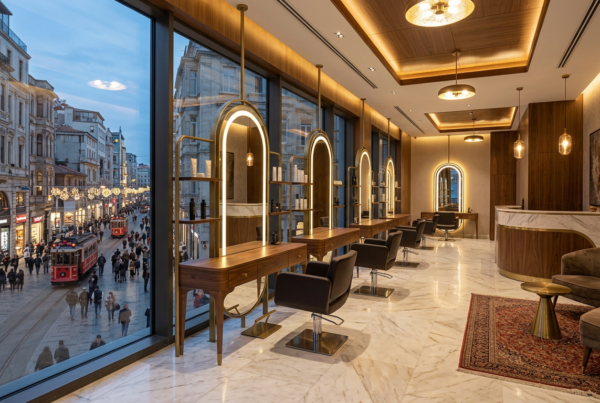
A professional protein hair treatment in Istanbul works by filling gaps in the hair shaft, making strands smoother, stronger, and more resistant to breakage. At Babyface Hair Salon near Taksim, stylists customize the protein formula to your hair type, so you get repair without stiffness or heaviness.
Around 65–70% of salon clients report some damage from color or heat styling. That’s why salons in central areas like Taksim, especially Babyface, see high demand for targeted hair repair sessions.
How Protein Repairs Hair
How protein repairs hair is the process of replacing lost keratin in weakened strands. When hair is damaged, its cuticle lifts and tiny holes form, causing roughness and breakage.
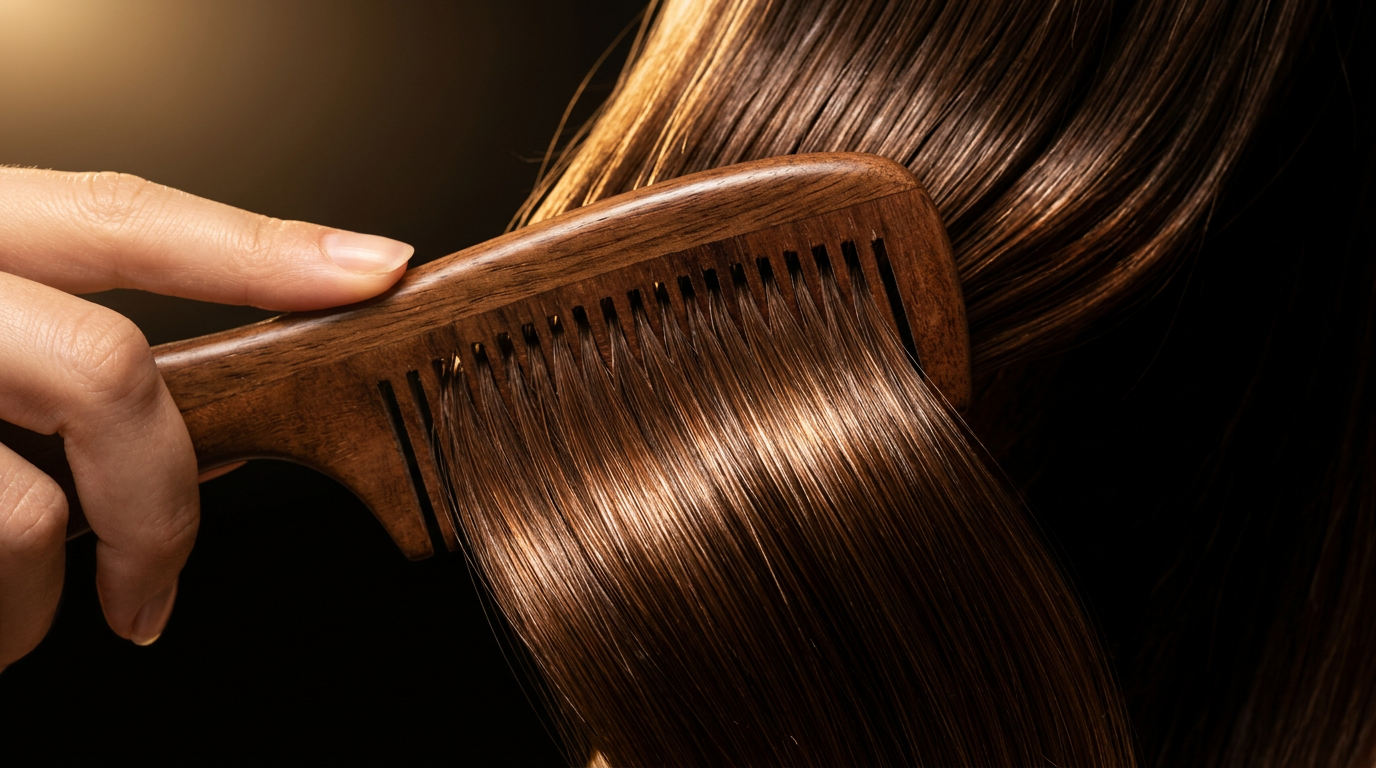
Protein treatments use hydrolyzed proteins—broken into small molecules—that attach to damaged areas and temporarily rebuild the hair’s structure. At Babyface Hair Salon, stylists combine protein with light moisture masks, then seal with blow-dry and flat iron so the cuticle lies flat, looks shiny, and feels stronger.
Studies show hydrolyzed keratin can increase hair strength by up to 40–50% after several treatments. When done right at a salon near Taksim like Babyface, clients notice immediate smoothness and better manageability, with peak results after 2–3 sessions.
Types
Types of protein hair treatment are different formulas and techniques designed to repair hair at various levels. Not every hair needs the same intensity, so choosing the right type is crucial.
Common options at Babyface Hair Salon near Taksim:
- Reconstructive protein treatments – Strong, salon-grade formulas that deeply reinforce weak, over-processed hair. Ideal after bleaching or multiple color changes.
- Light protein masks – Gentle treatments mixed with hydrating ingredients for mildly damaged or fine hair needing a subtle boost.
- Bond-building protein services – Advanced treatments targeting internal hair bonds, often used with color services to reduce breakage.
- Leave-in protein sprays – Lightweight products adding daily protection from heat and pollution, recommended for busy city life in Istanbul.
Clients combining in-salon reconstructive treatments with at-home light protein care see up to 60% less breakage over a few months. A consultation at Babyface near Taksim helps pick the safest type so you repair without making hair brittle.
Signs Your Hair Needs Protein
Signs your hair needs protein are visible and tactile clues showing loss of strength. Hair lacking protein stretches too much, feels mushy when wet, or snaps easily.
About 1 in 3 regular heat-styling users show clear signs of protein depletion. In busy central districts like Taksim, Babyface Hair Salon sees these signs daily and designs custom repair plans around them.
During a consultation, Babyface stylists gently test a strand’s elasticity, check breakage around the hairline, and examine ends under good lighting to decide how much protein you need.
Breakage
Breakage is snapping of hair strands before the natural shedding point, leaving short, uneven pieces and flyaways.
Common causes include aggressive brushing, hot tools, tight ponytails, and chemical services like bleach. Regular flat-iron users can experience up to twice more breakage without proper treatment.
- Tiny broken hairs on pillow, clothes, or sink.
- Hairline and crown look fuzzy, with short, stubborn pieces.
- Ends split quickly, even after a good haircut.
At Babyface near Taksim, stylists rebuild fragile areas first, starting with salon-grade protein treatment and a cut removing damaged tips. This improves strength and helps hairstyles last longer.
Elasticity Loss
Elasticity loss means hair no longer stretches and bounces back like healthy hair. Good elasticity indicates balanced protein and moisture.
Test at home: stretch a wet strand gently. If it snaps immediately, feels mushy, or stays stretched, your hair needs protein and moisture. Chemical services like bleaching can reduce elasticity by up to 50%.
- Hair breaks when combed wet.
- Curls lose pattern, looking limp or uneven.
- Straight hair falls flat quickly.
At Babyface near Taksim, stylists start with light or medium protein treatment, then add hydrating masks to restore elasticity gradually, avoiding stiffness.
Dullness
Dullness is loss of natural shine and reflectiveness. Healthy hair’s smooth cuticle reflects light, making it look glossy.
When the cuticle is damaged by heat, sun, or chemicals, light scatters, so hair looks matte or tired after washing. Pollution in cities like Istanbul, especially around Taksim, also coats hair and dulls it.
- Hair looks flat and lacks shine in light.
- Color appears faded or muddy on mid-lengths and ends.
- Hair feels rough even with conditioner.
Protein treatment at Babyface smooths and fills the cuticle, improving light reflection. Combined with blow-drying and serums, hair looks 2–3 shades more vibrant without re-coloring.
Protein vs. Moisture Balance
Protein vs. moisture balance is the relation between strength and softness. Protein gives structure; moisture keeps hair flexible. Both are needed in the right amounts.
Too much protein without enough moisture makes hair stiff and prone to snapping. Too much moisture without protein makes hair limp and mushy wet. Balanced care reduces breakage and improves manageability more than protein-only or moisture-only routines.
Babyface stylists near Taksim explain:
- Hair needing protein – Weak, stretchy, breaks easily; frayed and thin ends.
- Hair needing moisture – Dry, rough, frizzy, tangles easily; may look puffy or dull.
- Hair needing both – Stretches too much wet, then breaks; rough and lifeless.
At Babyface, every protein treatment is paired with moisture assessment. Stylists adjust processing and follow with hydrating masks or leave-ins, so hair is strong and soft, not brittle.
Best Salons for Protein Treatment Near Taksim
Best salons for protein treatment near Taksim specialize in repair, use high-quality products, and offer thorough consultations. Location matters for convenient access near Taksim Square.
In Istanbul, Babyface Hair Salon stands out as a top choice. The salon combines experienced stylists, international-grade products, and focuses on hair health beyond quick styling.
What Babyface provides:
- Consultation-first approach – Elasticity and damage check before protein is applied.
- Professional formulas – Salon-grade protein and bond-building treatments unavailable in retail.
- Custom plans – Tailored routines for bleached, curly, fine, or textured hair with realistic recovery timelines.
- Aftercare guidance – Simple home-care tips for lasting results.
Clients often combine protein treatments with color correction, blowouts, or cuts, making Babyface a one-stop spot. Many report shinier, smoother hair after one session and strength improvements over 4–6 weeks with consistent care.
FAQs
What is a protein hair treatment, and how is it different from a regular conditioner?
Protein hair treatments rebuild hair’s structure with keratin or other proteins, targeting deeper damage. Regular conditioners provide surface softness and moisture.
How often should I get a protein hair treatment in Istanbul?
Most with moderate damage benefit every 4–6 weeks. Severely damaged hair may start with more frequent visits at Babyface before switching to maintenance.
Can too much protein damage my hair?
Yes, overusing protein treatments can make hair stiff, dry, and brittle. Professionals at Babyface balance protein with moisture and adjust frequency.
Is a protein treatment the same as keratin straightening?
No. Protein treatments repair and strengthen, while keratin straightening uses heat and agents to reduce frizz and straighten hair.
How long do protein treatment results last?
Typically 3–6 weeks, depending on washing, styling, and coloring. Proper home care and follow-ups at Babyface help maintain results.
Is protein treatment suitable for curly or textured hair?
Yes, when paired with moisture, protein strengthens curls and textured hair without weighing it down. Babyface customizes formulas to keep curls defined and bouncy.
Can I get a protein treatment and color my hair the same day?
Often yes. Babyface stylists combine color with bond-building treatments to minimize damage and improve color longevity.
How do I know if I need protein or just moisture?
Weak, stretchy, breaking hair needs protein; rough, dry, frizzy hair needs moisture. A consultation at Babyface can test and design a balanced plan.
What trends are popular now for hair repair in Istanbul?
Trends include bond-building protein treatments, hybrid protein-moisture masks, and low-heat styling to preserve hair integrity. Babyface near Taksim offers advanced repair services that strengthen hair while keeping it soft and shiny.