
What Is Olaplex?
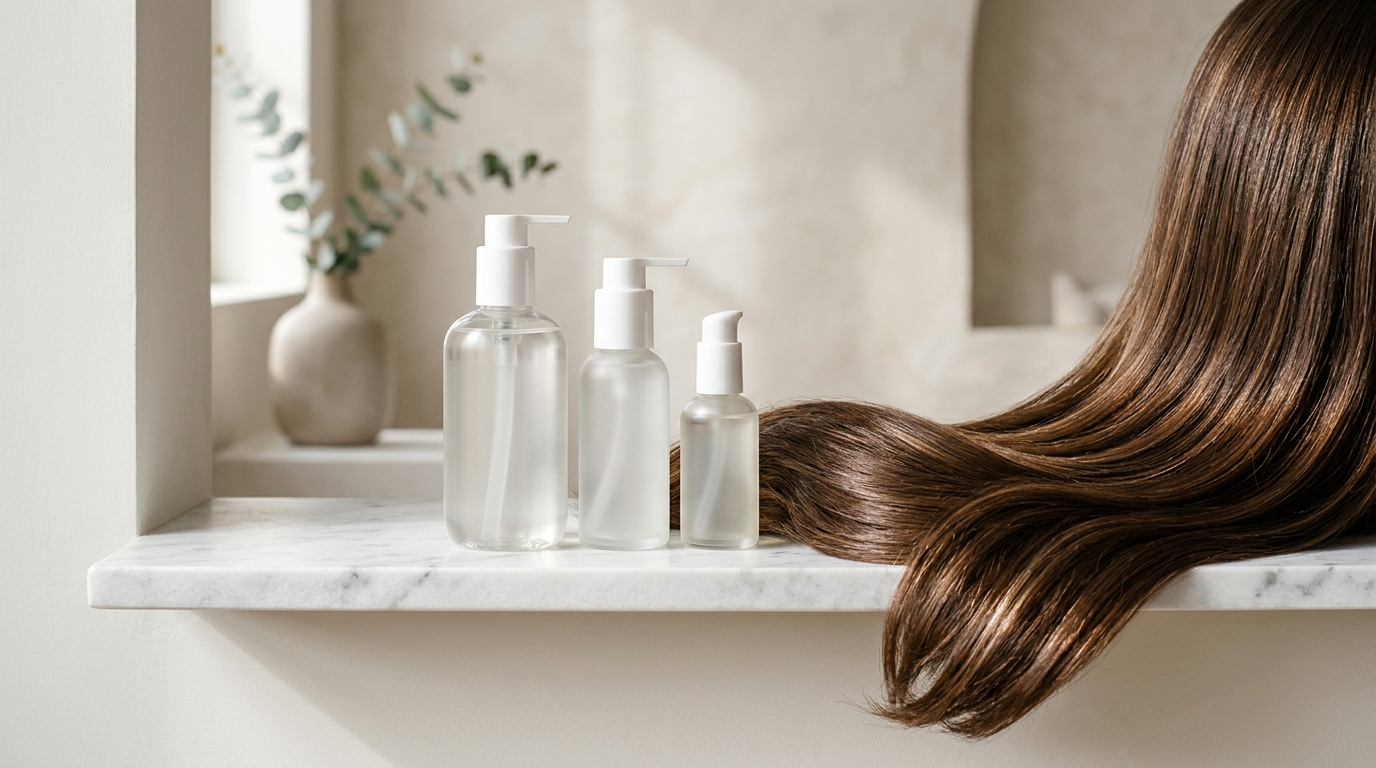
Olaplex is a bond-repair treatment that rebuilds broken hair from the inside out. Unlike regular masks or conditioners that only coat the surface, Olaplex works on a molecular level to reconnect damaged disulfide bonds inside the hair shaft.
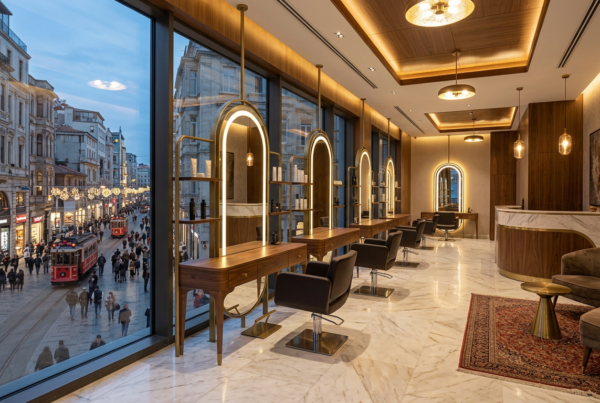
In Istanbul, Olaplex has become a go-to solution for people who color, bleach, or heat-style their hair frequently. At Babyface Hair Salon near Taksim, stylists use genuine Olaplex formulas as part of customized repair rituals, blending science-backed care with trend-focused styling.
By targeting internal damage instead of just adding shine, Olaplex helps hair feel stronger, smoother, and more resilient over time. This is especially important in a busy urban environment like Istanbul, where pollution, sun exposure, and hard water contribute to hair stress.
The Science
The science of Olaplex is a patented bond-building technology that repairs broken disulfide bonds inside the hair. These bonds are the tiny “bridges” that give hair its structure, strength, and elasticity.
Chemical services like bleaching and coloring break those bonds, leading to breakage, dullness, and frizz. Olaplex’s active ingredient, Bis-Aminopropyl Diglycol Dimaleate, finds broken bonds and links them back together. Hair treated with bond-builders shows up to 3x higher resistance to breakage compared to untreated hair.
At Babyface Hair Salon in Taksim, stylists integrate Olaplex directly into color or bleach formulas, then follow with in-salon steps and at-home recommendations. This approach helps reduce typical damage from strong color changes, ideal for those who want bold transformations while keeping hair healthy.
Olaplex vs. Keratin vs. Botox
Olaplex is a bond rebuilder, keratin is a smoothing/protein treatment, and hair botox is usually a deep-conditioning filler.
– **Olaplex:** Strengthens internal bonds, suitable for all hair types, especially chemically treated. It repairs but doesn’t straighten.
– **Keratin:** Smooths hair, reducing frizz and curl up to 60–90%. Some formulas use strong chemicals and high heat, which can stress fragile hair.
– **Hair Botox:** Intensive masks that fill gaps in the hair cuticle, adding shine and fullness but not rebonding.
For long-term repair, Olaplex is the safer, more restorative option. Babyface Hair Salon offers all three but often recommends starting with Olaplex for compromised hair, then layering keratin or botox treatments if needed.
Who Needs Olaplex?
Olaplex is for anyone whose hair has been damaged by chemicals, heat, or daily wear. If your hair snaps easily, tangles, or lost elasticity, you’re a good candidate.
In style-conscious areas like central Istanbul and Taksim, many clients believe their hair is naturally bad when it’s actually damaged bonds that respond well to Olaplex.
Olaplex is ideal if you want to:
– Go blonder without destroying your hair
– Transition from dark box dye to lighter professional color
– Recover from years of heat styling
– Maintain healthy hair while experimenting with trends
At Babyface, stylists assess your hair and suggest whether a stand-alone treatment, an add-on to color, or a combination program is best.
Bleached Hair
Bleached hair has lost natural pigment and many disulfide bonds, often feeling rough and fragile.
Bleaching can reduce hair strength by 40–60% if done without protection. Many Istanbul colorists refuse major lightening without a bond protector like Olaplex. At Babyface Hair Salon, Olaplex is mixed into bleach formulas and followed with treatments, preserving strength and elasticity.
If your blonde feels straw-like or breaks when combing, your bonds are compromised. Regular Olaplex sessions restore internal structure, improving toning, glossing, and styling tolerance.
Heat-Damaged Hair
Heat-damaged hair loses moisture, elasticity, and smoothness from frequent hot tool use. Flat irons and wands reaching 200–230°C degrade both the cuticle and inner bonds.
Regular flat iron use can cause cuticle cracking and up to 50% loss in tensile strength. If you straighten or curl several times a week, Olaplex can help. Babyface Hair Salon combines Olaplex with trims and heat-protection coaching to extend style life and slow damage.
With consistent treatment, heat-styled hair breaks less, holds styles better, and feels less brittle. Some clients can lower heat settings and still achieve great looks after Olaplex sessions.
How Many Sessions Do You Need?
The number of Olaplex sessions depends on hair damage and goals. One in-salon treatment improves softness and manageability immediately, but deeper repair takes multiple visits.
For mild damage, treatments every 4–6 weeks tied to cuts or color are common. Moderate to severe damage may require sessions every 2–3 weeks for 2–3 months. Many clients see improvement after the first visit, with cumulative strengthening over 3–6 sessions.
At Babyface Hair Salon near Taksim, your stylist will:
– Assess elasticity, porosity, and breakage
– Recommend a session plan based on lifestyle and budget
– Combine in-salon Olaplex with at-home maintenance (No.3, No.4, No.5)
– Adjust frequency as hair health improves
Babyface focuses on sustainable care, avoiding unnecessary appointments. The goal is to restore hair health, then maintain it alongside styling services.
Finding Olaplex Treatments Near Taksim
Choosing an Olaplex salon near Taksim means finding a place with authentic products, skilled techniques, and personalized care. Not all salons advertising “bond repair” use real Olaplex correctly.
Look for:
– Verified genuine Olaplex products (ask to see bottles)
– Stylists who mix Olaplex into color and bleach, not just use it as a mask
– Clear consultations explaining what to expect, session number, and home care
– Clean, modern environment with visible before/after photos
Babyface Hair Salon near Taksim meets these criteria, offering a friendly atmosphere and integrating Olaplex seamlessly into color transformations. This approach leads to better long-term results and fewer hair emergencies.
For tourists, Babyface’s central location makes it easy to schedule appointments alongside sightseeing or shopping. Locals benefit from accessible ongoing maintenance without traveling across the city.
FAQs
Is an Olaplex treatment in Istanbul really worth it?
Yes, if you have colored, bleached, or heat-damaged hair and want to restore strength. Istanbul prices are often more affordable than in many European cities, yet you get access to high-end salons like Babyface near Taksim using authentic Olaplex.
How much does Olaplex cost in Istanbul salons?
Prices typically range from €20–€50 for a stand-alone treatment, more when added to complex color services. Babyface Hair Salon explains costs clearly during consultation, tailored to hair length, density, and damage.
Can I do Olaplex at home instead of going to a salon near Taksim?
You can use at-home Olaplex products, but salon treatments use stronger formulations and professional application that home use can’t fully replicate. Many combine salon treatments at Babyface with home care to maintain results.
Will Olaplex straighten or loosen my curls?
No, Olaplex doesn’t change your hair’s natural shape; it only repairs broken bonds. Curly clients at Babyface often notice stronger, bouncier curls with less frizz and breakage.
How soon will I see results from Olaplex?
Immediate softness and slip are common after the first treatment, with noticeable strength improving over 2–3 sessions. Babyface stylists document progress with photos and touch tests so you can track changes.
Is Olaplex safe for all hair types, including fine or oily hair?
Yes, Olaplex focuses on internal bonds without heavy coatings. Babyface Hair Salon adjusts product amounts to keep hair feeling weightless and healthy, avoiding greasiness or overload.
What are the latest trends with Olaplex in Istanbul?
Trends include pairing Olaplex with high-contrast balayage, “expensive brunette” glossing, and vivid fashion colors while maintaining hair health. Salons like Babyface also use Olaplex in pre-color “prep programs” with 1–2 repair sessions before big transformations to minimize damage and maximize shine.