
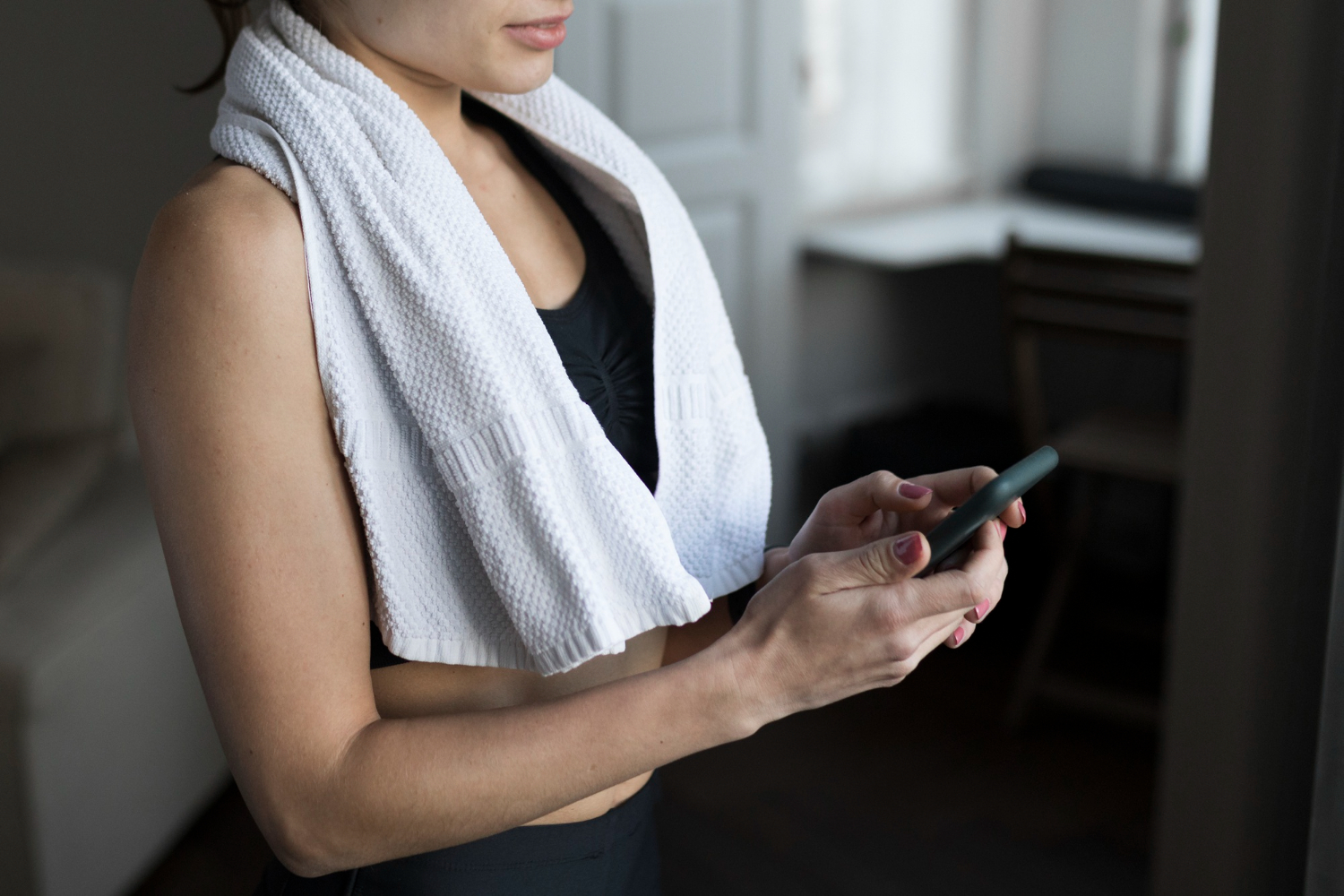
Exercise offers countless benefits for the body, yet the heat, sweat and friction generated during workouts create a challenging environment for the hair and scalp. Sweat contains salt and natural oils that accumulate on the skin’s surface. If not managed properly, this buildup can cause irritation, clogged follicles, dullness and odor. Additionally, tight hairstyles, helmets and workout headbands create friction that weakens the hair strand and increases breakage. Establishing a consistent post workout routine helps maintain scalp comfort, prevents long term damage and keeps hair looking fresh and healthy even after intense activity. This guide explains the most effective techniques for maintaining strong scalp hygiene and smooth hair following exercise.
Rinse or Refresh the Scalp Promptly After Workouts
Sweat dries into a salt rich residue that irritates the scalp and roughens the hair fiber. Leaving sweat on the scalp for long periods can disrupt the microbiome, create itchiness and contribute to flaking. Rinsing the hair with lukewarm water after exercise helps remove salt, bacteria and excess oil without stripping the scalp.
When a full wash is not possible, using a scalp cleansing mist or a light balancing spray helps refresh the roots. These products dissolve sweat and reduce odor while preserving moisture balance. This is especially beneficial during busy days or after short gym sessions.
Choose Gentle, Sweat Appropriate Cleansing Products
Post workout washing requires products that cleanse effectively without overwhelming the scalp. Harsh shampoos may strip too much oil, causing reactive dryness. Lightweight clarifying shampoos designed for frequent use help remove sweat and residue without causing irritation.
For individuals who exercise daily, alternate between a mild everyday shampoo and a deeper cleansing product once or twice a week. This prevents buildup while protecting the scalp barrier. Look for ingredients like tea tree, peppermint or rosemary extract, which support freshness and help maintain scalp clarity after workouts.
Avoid Tight Hairstyles That Trap Sweat
Tightly pulled ponytails, buns and braids create tension on the follicles and trap sweat near the scalp. This combination can lead to irritation, breakage and weakened roots. Sweat trapped under tight elastics may also cause knots that are difficult to remove later.
Opt for loose, breathable styles during exercise. Soft scrunchies, fabric covered elastics or wide hair clips reduce friction and provide better airflow around the scalp. For high intensity workouts, secure hair in a loose braid or low ponytail to prevent tangling while minimizing strain.
Use Headbands and Sweat Wicking Accessories Wisely
Moisture wicking headbands help absorb sweat before it reaches the hairline, keeping the scalp cleaner and reducing residue on the forehead. However, wearing headbands that are too tight or made of rough fabric can cause breakage along the hairline.
Choose soft, stretchy, breathable materials that absorb sweat without causing friction. Clean headbands regularly to prevent bacteria buildup. This simple accessory greatly improves scalp comfort, especially for individuals who sweat heavily during workouts.
Incorporate Leave In Products to Protect the Hair Fiber
Sweat salt dries the hair cuticle, reducing softness and increasing frizz. Applying a lightweight leave in conditioner before workouts helps create a protective barrier against dryness. These products shield the hair from friction caused by helmets, yoga mats or gym equipment.
After exercise, a hydrating spray or leave in mist rebalances moisture and refreshes the lengths. This prevents tangling and keeps the hair easier to manage when transitioning back into daily routines.
Do Not Wash Hair Too Frequently After Exercise
Although it is tempting to shampoo after every workout, overwashing strips essential oils and disrupts the scalp barrier. This leads to dryness, itchiness or reactive oil production. Hair may begin to feel greasy faster, creating a cycle of overwashing and irritation.
Instead, alternate between full washes, water rinses and dry shampoo depending on workout intensity. Dry shampoo absorbs sweat at the roots and extends time between washes while maintaining freshness. This approach is especially useful for fine hair that becomes limp when exposed to moisture.
Detangle Carefully to Prevent Sweat Related Breakage
Sweat droplets make the hair swell slightly, increasing friction between strands and making knots more likely. Brushing aggressively after workouts can cause breakage, especially when the hair is damp.
Use a wide tooth comb or flexible detangling brush to gently remove knots. Apply a detangling spray before combing to reduce tension and protect fragile areas. Start from the ends and work upward to minimize stress on the roots.
Support Scalp Hygiene with Occasional Exfoliation
Sweat mixed with oils and styling products often creates buildup that regular shampoo cannot remove. Exfoliating the scalp once a week or every other week helps dissolve residue and unclog follicles. A clean scalp improves airflow, reduces irritation and supports a more stable growth environment.
Choose gentle scrubs or liquid exfoliants formulated specifically for the scalp. Over exfoliating can cause sensitivity, so moderation is key.
Hydrate and Nourish the Body for Better Hair Recovery
Exercise increases water loss through sweat, and dehydration affects both the scalp and hair elasticity. Drinking adequate water throughout the day helps maintain healthy hydration levels, reducing dryness and brittleness.
After workouts, the body requires nutrients to repair muscle tissue and restore balance. This indirectly benefits the hair by supporting stronger growth conditions. Foods rich in antioxidants, vitamins and minerals contribute to long term hair stability.
Build a Consistent Post Workout Routine
Hair hygiene after exercise is not about frequent washing but about smart, balanced care. Removing sweat, refreshing the scalp, protecting the cuticle and choosing appropriate products help maintain softness and prevent long term damage. A consistent routine keeps the scalp clear, supports healthier growth and ensures the hair remains fresh and manageable even during an active lifestyle.